

Best Cybersecurity Books
Best Cybersecurity Books
Disclosure: This page contains affiliate links. We may earn a commission if you purchase through them, at no extra cost to you. We only recommend products we believe are useful.
📘 Why Read Cybersecurity Books?
Cybersecurity skills are more valuable than ever in today's connected world. Whether you're protecting personal data, securing business systems, preparing for cybersecurity certifications, or pursuing a career in ethical hacking, understanding modern cyber threats is essential.
This carefully curated collection features bestselling cybersecurity books covering digital privacy, ethical hacking, malware analysis, cryptography, cyber defense, incident response, and cyber warfare. From beginner-friendly guides to advanced technical references, these books provide practical knowledge and real-world insights to help you build stronger cybersecurity skills and stay ahead of evolving threats.
📋 At a Glance
🛡️ Best For
Students, IT professionals, ethical hackers, security analysts, and anyone interested in protecting digital information.
📚 Topics Covered
Cybersecurity fundamentals, ethical hacking, malware analysis, online privacy, cryptography, cyber defense, and cyber warfare.
🎯 Skill Level
Suitable for beginners through advanced cybersecurity professionals with books for every experience level.
⭐ Editor's Pick
Cybersecurity for Dummies is the ideal starting point for understanding essential cybersecurity concepts and online safety.
🎯 What You'll Gain
| You'll Learn | Recommended Book |
|---|---|
| Understand cybersecurity fundamentals and online safety. | Cybersecurity for Dummies |
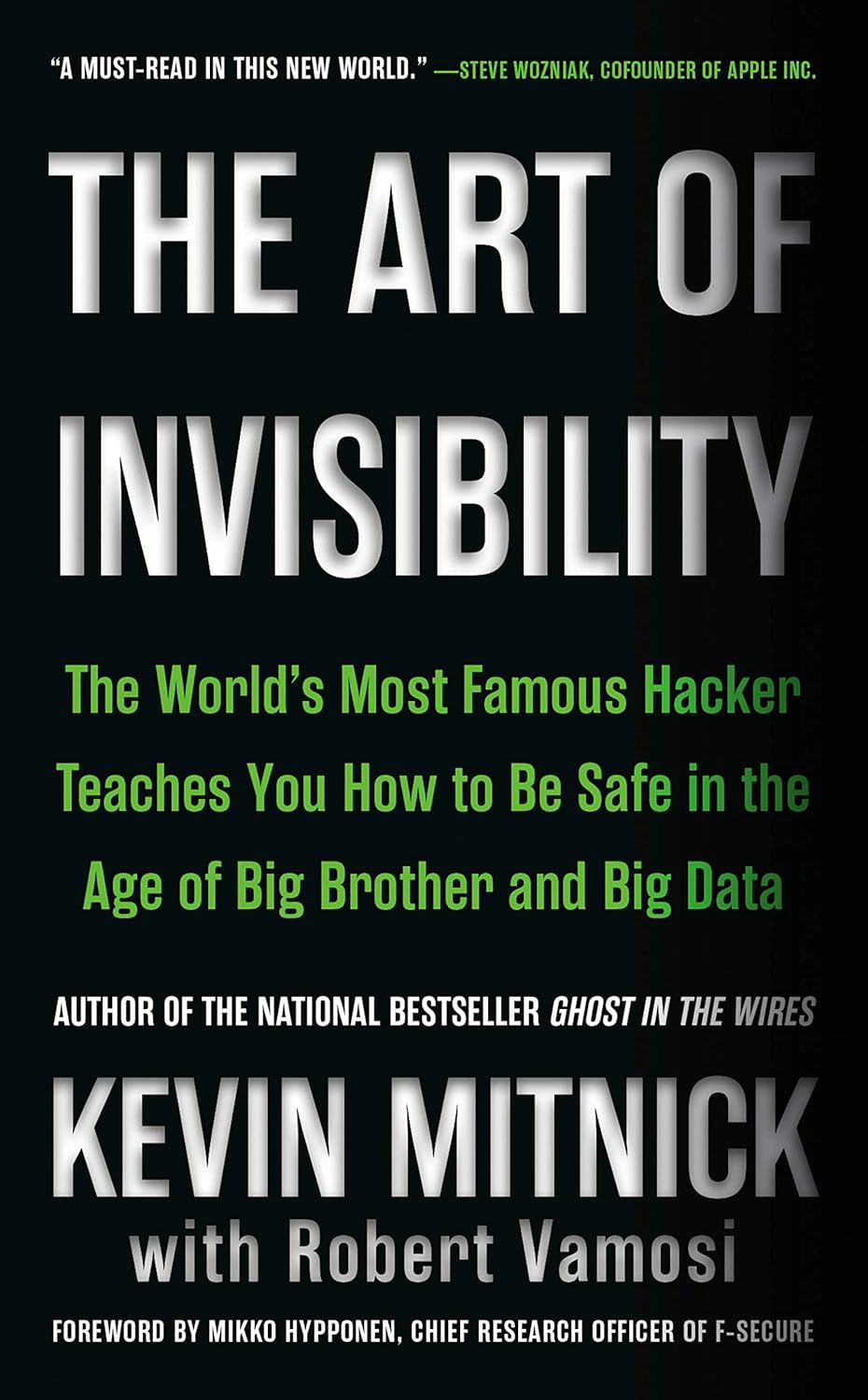
| Protect your digital privacy and reduce online tracking. | The Art of Invisibility |
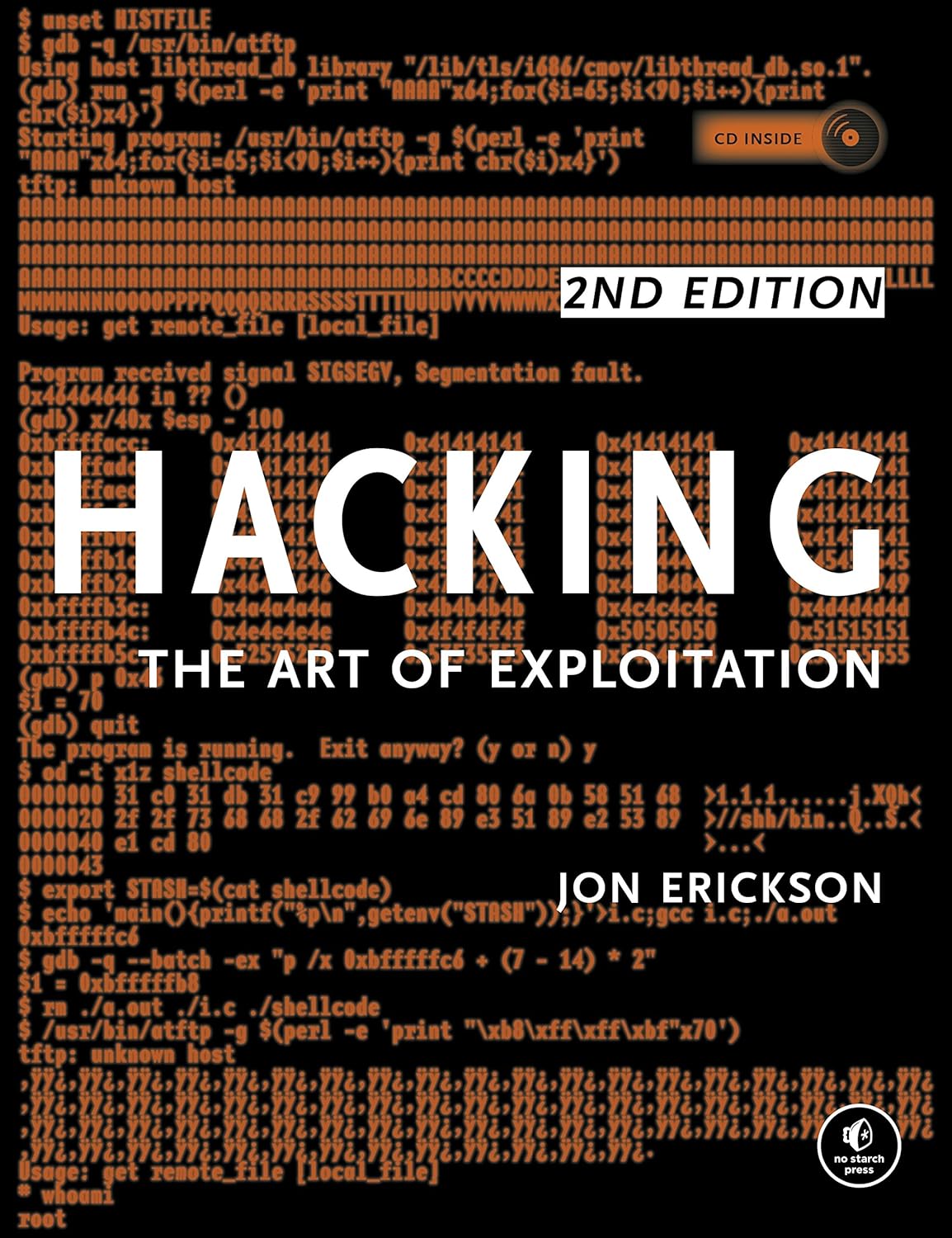
| Learn ethical hacking concepts and vulnerability analysis. | Hacking: The Art of Exploitation |
| Build a solid cybersecurity foundation for study and certifications. | Cybersecurity Essentials |
| Strengthen incident response and defensive security skills. | Blue Team Handbook |
| Understand surveillance, data collection, and privacy risks. | Data and Goliath |
| Analyze malware using practical reverse engineering techniques. | Practical Malware Analysis |
| Master encryption principles and secure communications. | Applied Cryptography |
| Explore the history and evolution of hacker culture. | Cult of the Dead Cow |
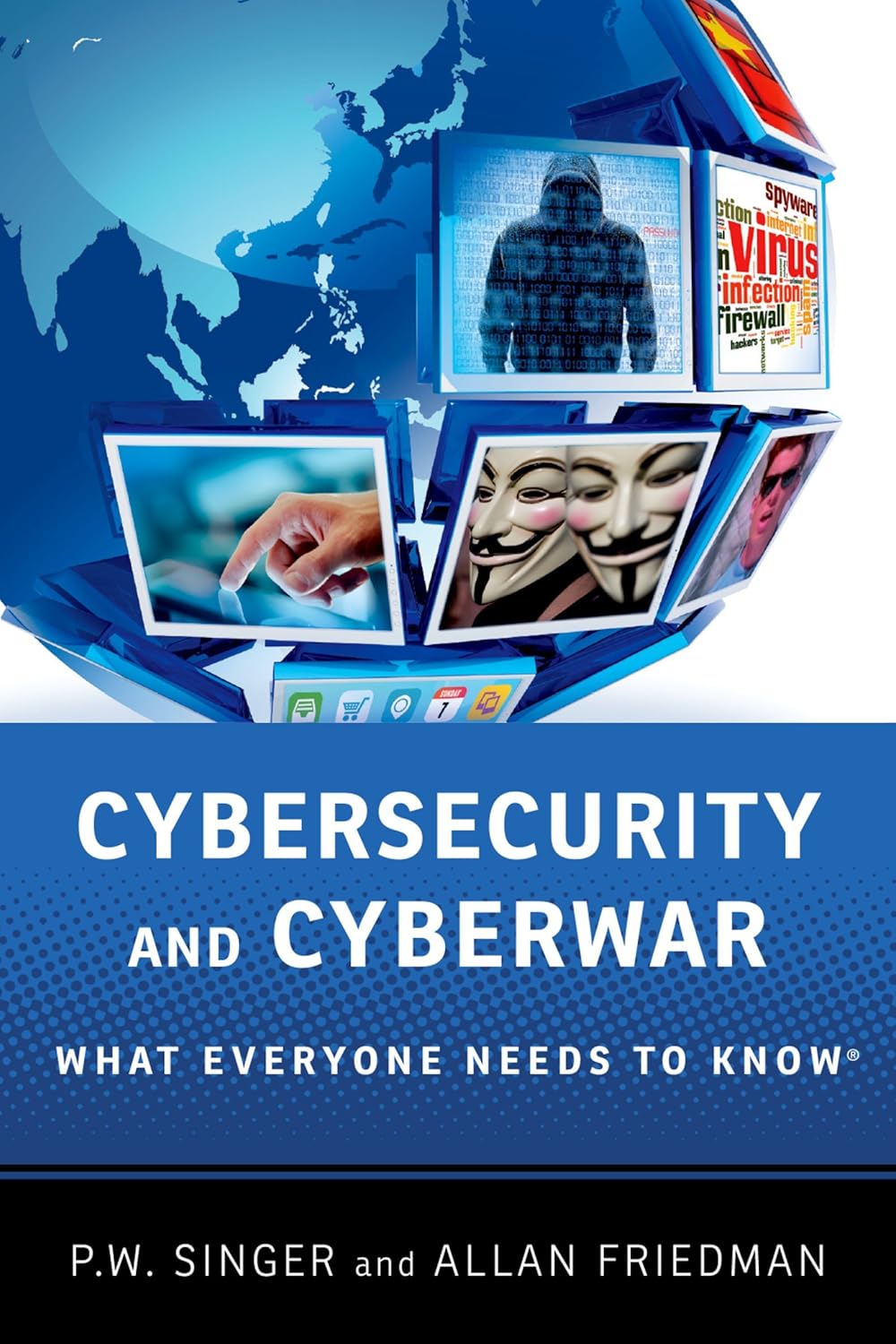
| Understand cyber warfare and national security challenges. | Cybersecurity and Cyberwar |
⭐ Featured Books
🛡️ Cybersecurity for Dummies
A beginner-friendly introduction to cybersecurity that explains online threats, digital safety, passwords, phishing, and essential security practices in simple language.
- ✔ Best starting point for beginners
- ✔ Covers everyday cyber threats
- ✔ Easy to understand and apply
🦠 Practical Malware Analysis
A hands-on guide to malware analysis, reverse engineering, and threat investigation, ideal for cybersecurity professionals and advanced learners.
- ✔ Hands-on technical exercises
- ✔ Excellent for malware analysis
- ✔ Ideal for security professionals
👥 Who Should Read These Books?
- Beginners & Students wanting to understand cybersecurity concepts, online safety, and digital privacy.
- IT Professionals & Security Analysts looking to strengthen defensive security, incident response, and malware analysis skills.
- Ethical Hackers & Penetration Testers interested in vulnerability assessment, exploitation techniques, and cybersecurity research.
- Business Leaders & Managers responsible for protecting organizational data and understanding cyber risks.
- Privacy-Conscious Individuals seeking practical strategies to safeguard personal information and reduce online exposure.
❓ Frequently Asked Questions
-
Is Cybersecurity for Dummies good for beginners?
Yes, it’s designed for non-technical readers starting out in cybersecurity basics.
-
Does The Art of Invisibility teach hacking?
No, it focuses on privacy and anonymity online rather than hacking techniques.
-
Do I need programming knowledge for Hacking: The Art of Exploitation?
Yes, coding skills are required to follow the examples and exercises in the book.
-
Is Cybersecurity Essentials suitable for students?
Yes, it’s structured for academic learning and provides foundational knowledge.
-
Is Blue Team Handbook practical?
Yes, it’s a field guide designed for incident response teams and real-world application.
-
Is Data and Goliath technical?
No, it focuses more on surveillance, privacy, and societal issues than technical details.
-
Is Practical Malware Analysis beginner-friendly?
No, it’s advanced and requires prior knowledge of malware and reverse engineering.
-
Is Applied Cryptography still relevant?
Yes, but some examples are dated. The core principles remain valuable.
-
Is Cult of the Dead Cow technical?
No, it’s more about hacker culture, history, and influence than technical instruction.
-
Who should read Cybersecurity and Cyberwar?
Anyone interested in global cyber threats, digital warfare, and policy implications.
📘 Summary
Cybersecurity requires continuous learning as digital threats continue to evolve. This curated collection of books covers everything from online safety and privacy to ethical hacking, malware analysis, cryptography, cyber defense, and national security. Whether you're beginning your cybersecurity journey or expanding advanced technical skills, these books provide practical knowledge, real-world examples, and proven strategies to help you protect systems, secure data, and build a successful cybersecurity career.