

Best Personal Finance Books in India | Money Management
Best Personal Finance Books in India | Money Management
Disclosure: This page contains affiliate links. We may earn a commission if you purchase through them, at no extra cost to you. We only recommend products we believe are useful.
📘 Why Read Personal Finance Books?
Personal finance is an important life skill, covering everyday decisions such as budgeting, saving, managing debt, investing, and planning for future goals. The right books can help you understand these topics more clearly and develop practical money habits. This selection includes books covering budgeting, debt management, investing concepts, financial behaviour, financial independence, and long-term planning.
For readers in India, many of these books use examples from the U.S. financial system. The underlying ideas can still be useful, but topics such as taxes, retirement accounts, credit systems, and investment products should be adapted to the Indian financial context.
📌 At a Glance
💰 Best For
Budgeting, saving, debt management, investing concepts, financial habits, and long-term planning.
📚 Covers
Money psychology, spending, saving, investing, financial independence, debt, and personal financial goals.
🎯 Skill Level
Beginner to intermediate. Most books explain personal finance concepts in an accessible and practical format.
🇮🇳 For Indian Readers
Useful for learning general money principles, with U.S.-specific examples requiring adaptation to India's financial system.
💡 What Can You Learn From These Books?
| Financial Topic | Recommended Book |
|---|---|
| Understand a structured approach to budgeting, debt repayment, saving, and financial goals. |
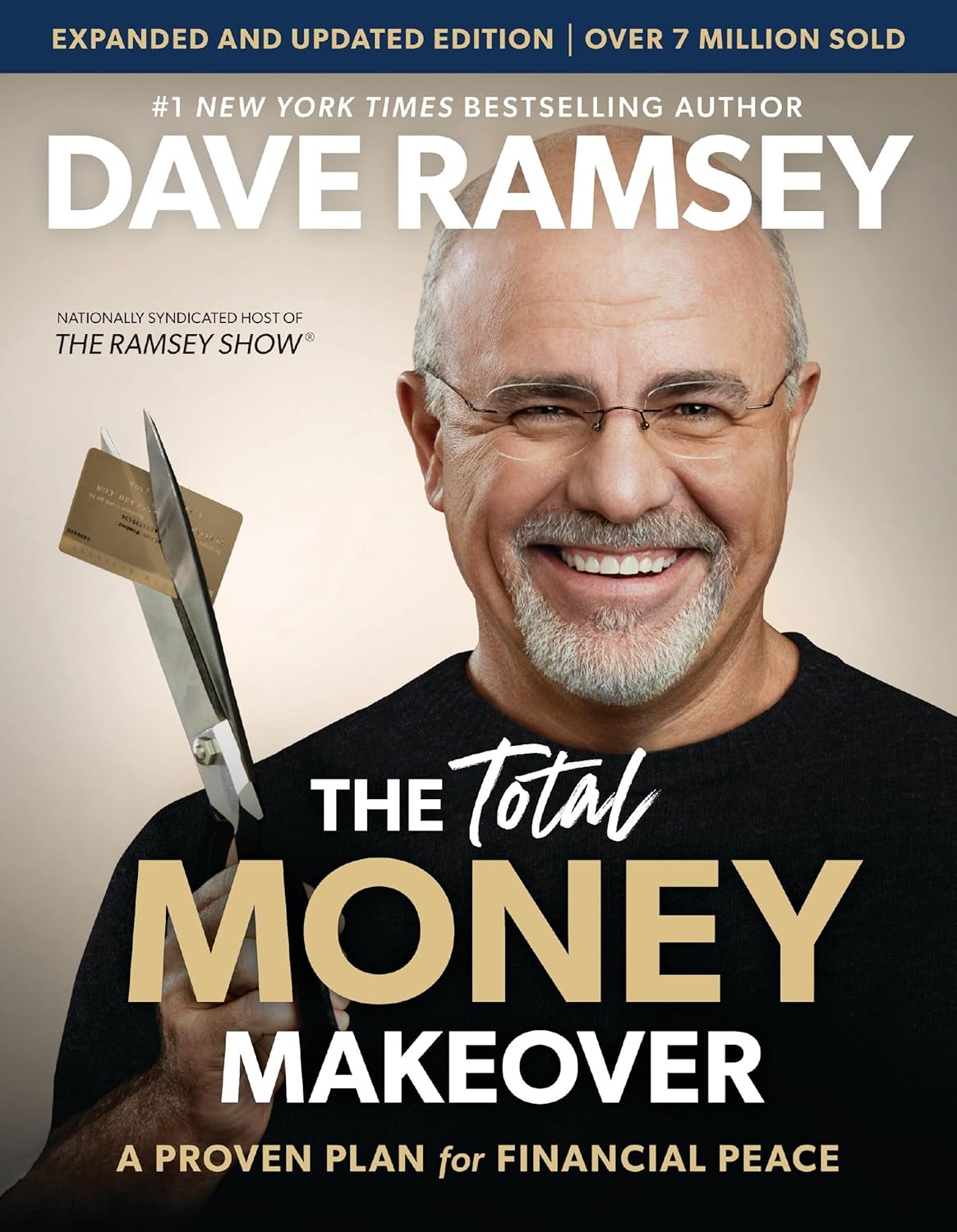
The Total Money Makeover Explore Book 💰 |
| Learn practical approaches to spending, saving, automating finances, and investing. |
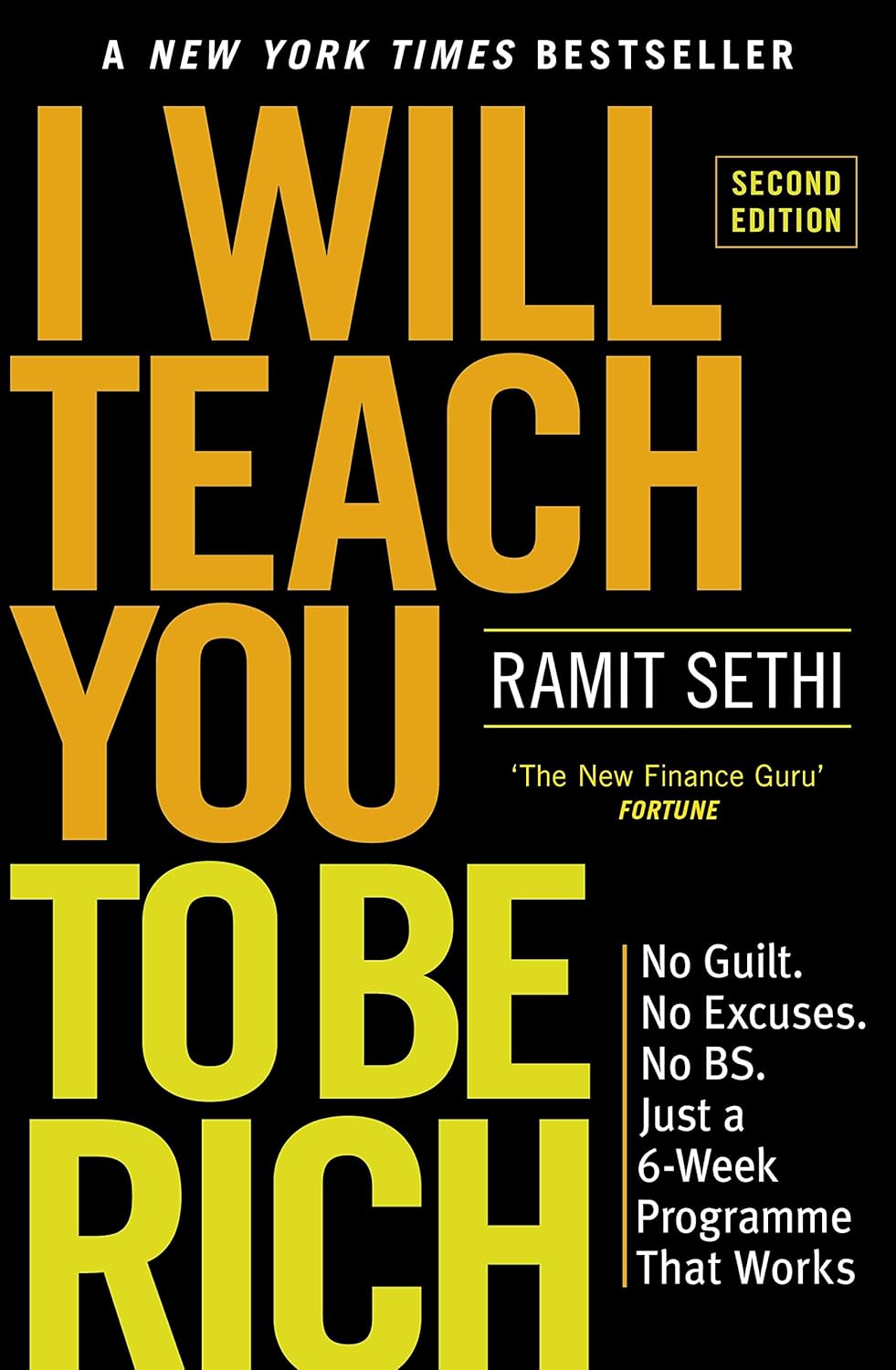
I Will Teach You to Be Rich Explore Book 📈 |
| Explore how behaviour, emotions, habits, and personal experiences can influence financial decisions. |
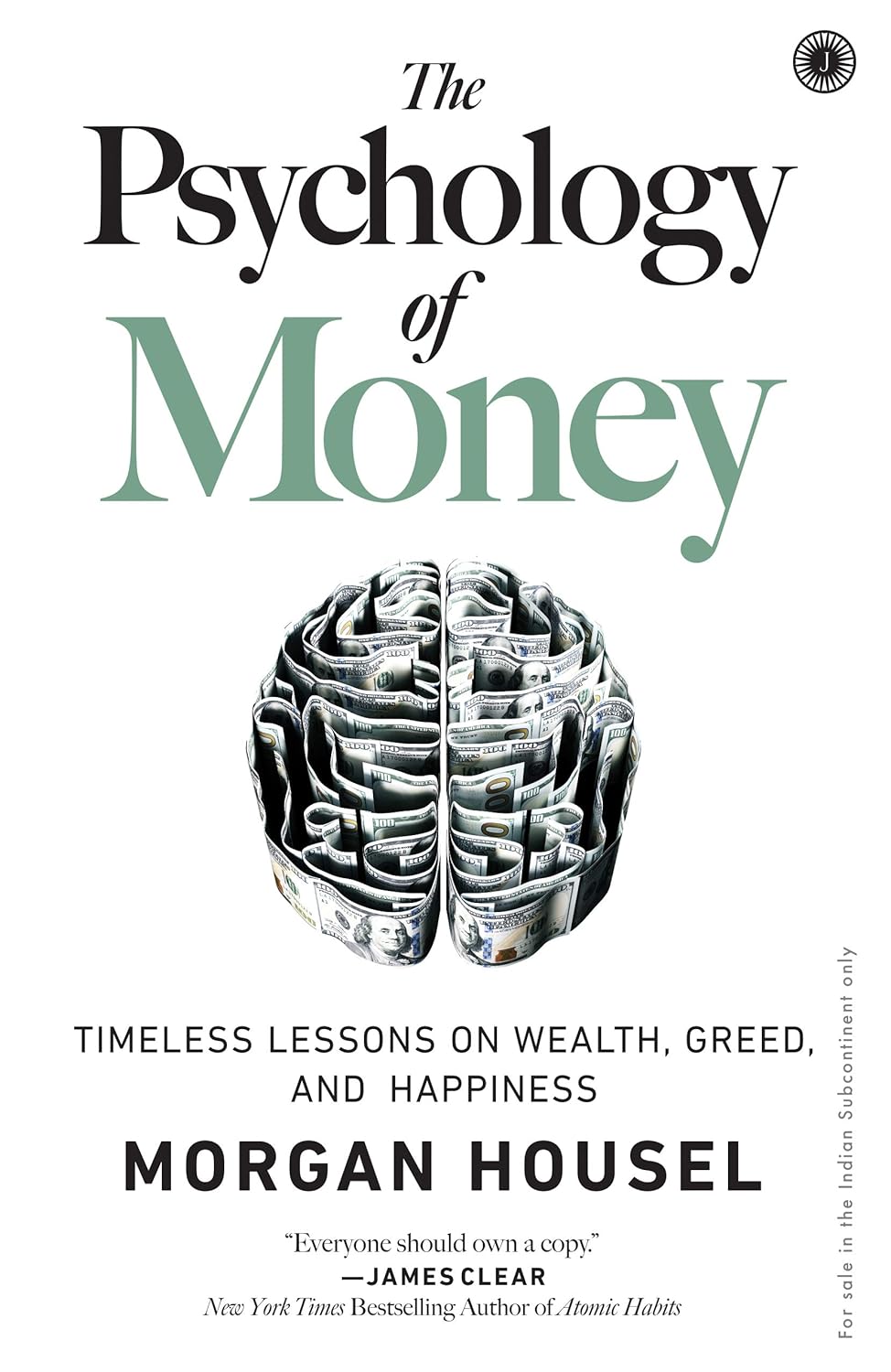
The Psychology of Money Explore Book 🧠 |
| Learn a goal-based approach to budgeting and managing everyday spending. |
You Need a Budget Explore Book 📋 |
| Explore the habits, spending patterns, and financial behaviours associated with building wealth. |
The Next Millionaire Next Door Explore Book 🏡 |
| Consider the relationship between money, work, personal values, and long-term life goals. |
Your Money or Your Life Explore Book 🌱 |
| Explore ideas around spending, saving, life experiences, and using money throughout different stages of life. |
Die With Zero Explore Book ✨ |
| Learn about spending, personal finance habits, and making more deliberate money decisions. |
You Are So Money Explore Book 💳 |
📚 Featured Personal Finance Books
I Will Teach You to Be Rich
Focus: Budgeting, saving, spending, automation, and investing concepts presented through a practical personal finance system.
- ✔ Covers several areas of everyday money management
- ✔ Practical approach to organising finances
- ✔ Suitable for readers building foundational money habits
The Psychology of Money
Focus: The relationship between behaviour, emotions, personal experiences, and financial decision-making.
- ✔ Focuses on financial behaviour and mindset
- ✔ Uses accessible stories and examples
- ✔ Useful for reflecting on long-term money habits
👥 Who May Find These Books Useful?
- Students & Young Professionals: Learn the basics of budgeting, saving, spending, and long-term financial planning.
- People Managing Debt: Explore different approaches to organising debt repayment and improving money habits.
- First-Time Investors: Build a general understanding of investing, risk, long-term thinking, and financial planning.
- Working Professionals & Families: Develop more structured approaches to household budgeting, saving, and financial goals.
- Readers Planning for Financial Independence: Explore ideas around spending, saving, investing, work, and long-term financial choices.
🇮🇳 Important Note for Indian Readers
Many well-known personal finance books were written using U.S. financial examples. Concepts such as budgeting, saving, spending discipline, diversification, and long-term planning can be broadly applicable, but the specific financial products and rules may differ in India.
When applying ideas from these books, consider Indian-specific factors such as income tax rules, EPF and PPF, NPS, Indian mutual funds, insurance, bank products, credit systems, and local investment regulations. Always verify current information with reliable Indian sources before making financial decisions.
❓ Frequently Asked Questions (FAQs)
Which personal finance book should a beginner start with?
I Will Teach You to Be Rich can be a practical starting point for readers who want to explore budgeting, saving, spending, and investing concepts. The Psychology of Money is another accessible option for readers interested in financial behaviour.
Which book focuses on debt management?
The Total Money Makeover places significant emphasis on debt repayment, budgeting, saving, and organising personal finances.
Can these books teach me how to invest in India?
They can introduce general investing principles and long-term financial concepts, but they should not be treated as India-specific investment guides. Indian readers should verify current rules, products, taxes, and regulations separately.
Are these personal finance books suitable for Indian readers?
Yes, many of the general principles can be useful. However, some books contain U.S.-specific examples involving taxes, retirement accounts, credit, and financial products, so readers should adapt those sections to the Indian context.
Which book focuses on money mindset?
The Psychology of Money focuses strongly on how behaviour, emotions, experiences, and personal attitudes can affect financial decisions.
Do I need to read all of these books?
No. Choose a book based on your current learning goal. For example, you might start with budgeting, debt management, financial behaviour, or investing concepts and explore other topics later.
📝 Summary
Personal finance books can be useful learning resources for understanding budgeting, saving, debt, investing concepts, financial behaviour, and long-term planning. The most useful starting point depends on your current financial goals and level of knowledge.
For Indian readers, these books are best used as general educational resources rather than substitutes for India-specific financial guidance. Before acting on any financial recommendation, check current Indian tax rules, regulations, financial products, and other relevant information from appropriate sources.
📚 Continue Learning
📦 Related Products