

8 Best Money Books for Growth in 2026
8 Best Money Books for Growth in 2026
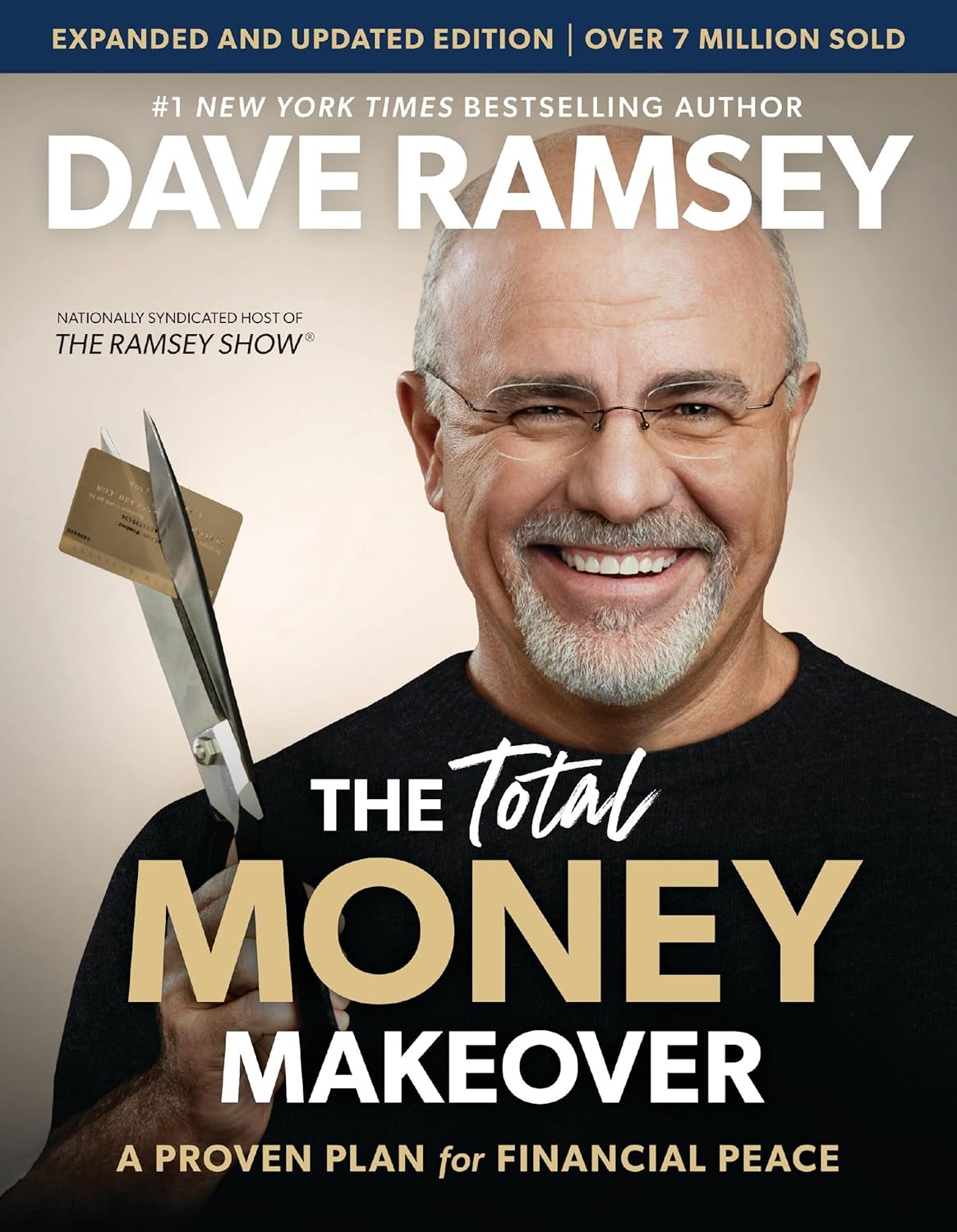
The Total Money Makeover – simple personal finance plan.
Readers Reviews
Readers Reviews
- “Practical, relatable, and life-changing! YNAB helped me finally understand budgeting.”
— Ananya P., Freelance Designer - “Psychology of Money completely changed how I think about wealth and success.”
— Kunal M., Startup Co-Founder - “This entire collection is a personal finance masterclass—especially for 20s and 30s!”
— Shivani T., Working Mom
Summary, Benefits & Ideal Readers
Summary, Benefits & Ideal Readers
Summary
In today’s fast-paced world, managing finances and money effectively is a skill we all wish we mastered.
Thankfully, there’s no shortage of incredible ebooks designed to help us navigate the complex terrain of personal finance. Whether you're aiming to save more, spend smarter, or build generational wealth, these finance ebooks will set you on the right path.
1. The Total Money Makeover – Dave Ramsey
A step-by-step plan to pay off debt, build savings, and achieve long-term financial stability.
2. You Are So Money – Farnoosh Torabi
A smart, sassy guide for young adults to take charge of their finances and spending habits.
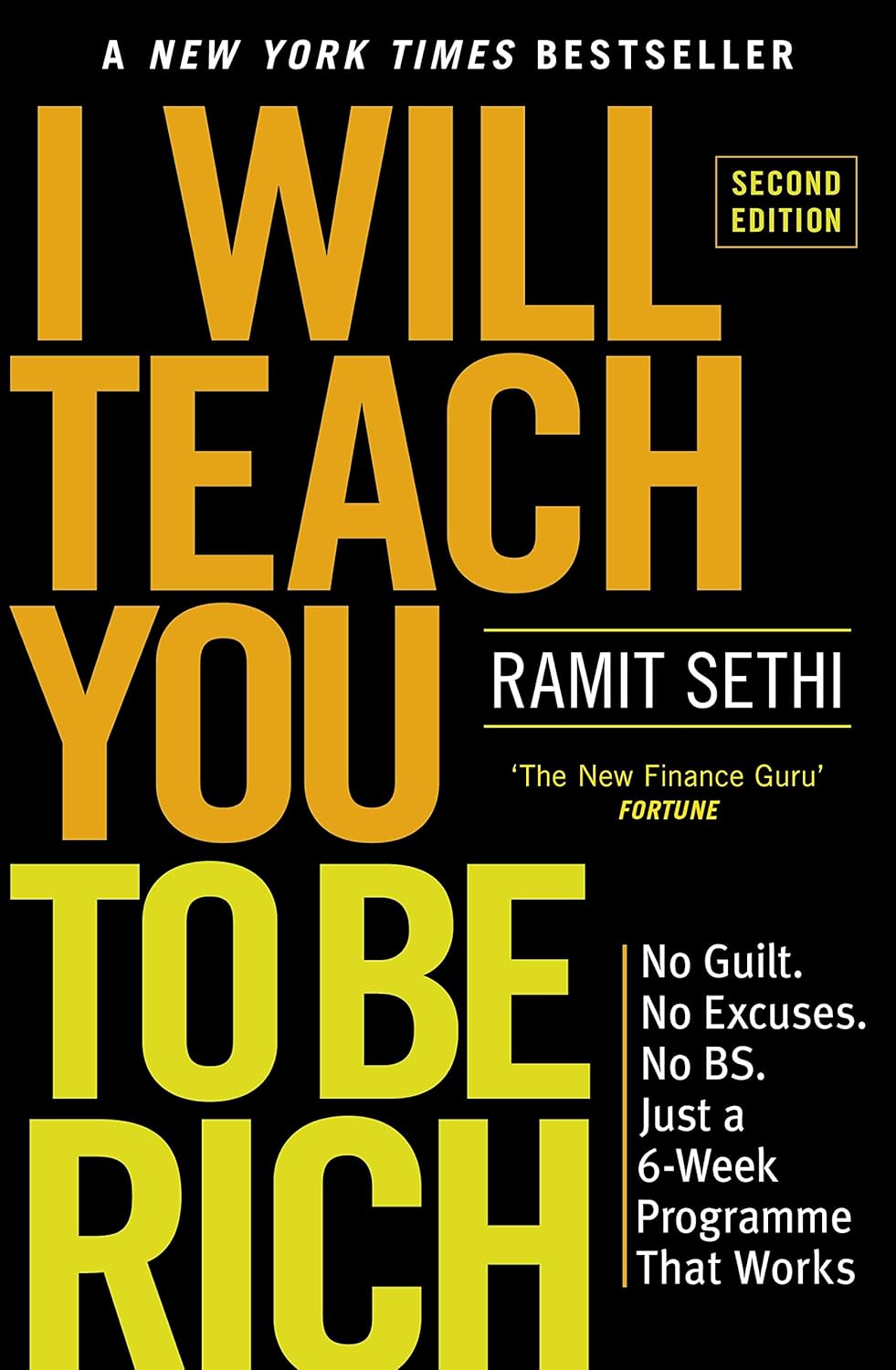
3. I Will Teach You to Be Rich – Ramit Sethi
A no-BS approach to automating finances, saving smart, and living a rich life on your terms.
4. The Next Millionaire Next Door – Sarah Stanley Fallaw
Analyzes how today’s millionaires think, spend, and grow wealth quietly and consistently.
5. Your Money or Your Life – Vicki Robin & Joe Dominguez
Teaches you how to align money with values to achieve financial independence and fulfillment.
6. You Need a Budget – Jesse Mecham
A clear system to manage monthly expenses, eliminate debt, and save more intentionally.
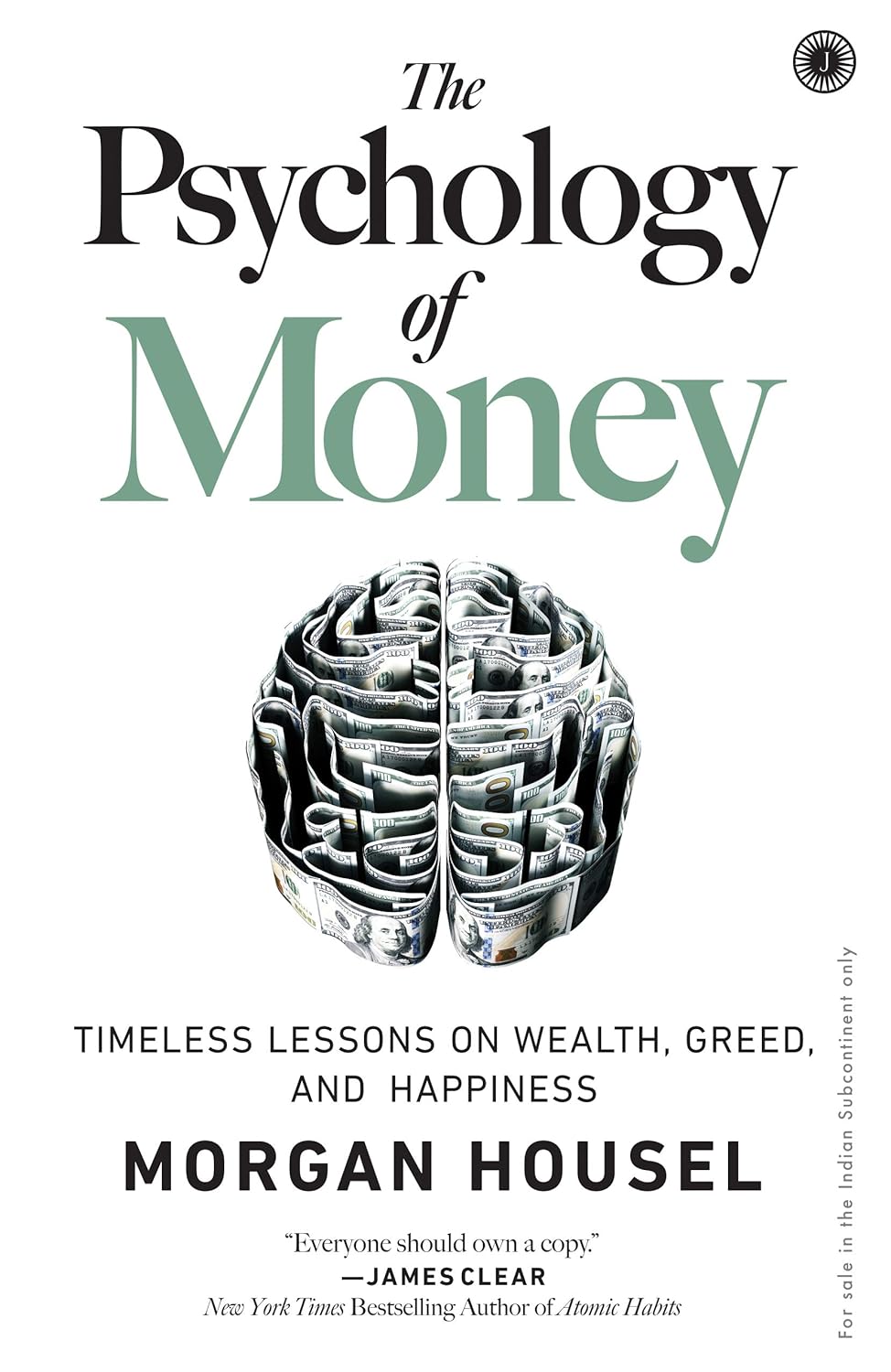
7. The Psychology of Money – Morgan Housel
Explores how emotions, mindset, and behavior affect how we earn, save, and invest money.
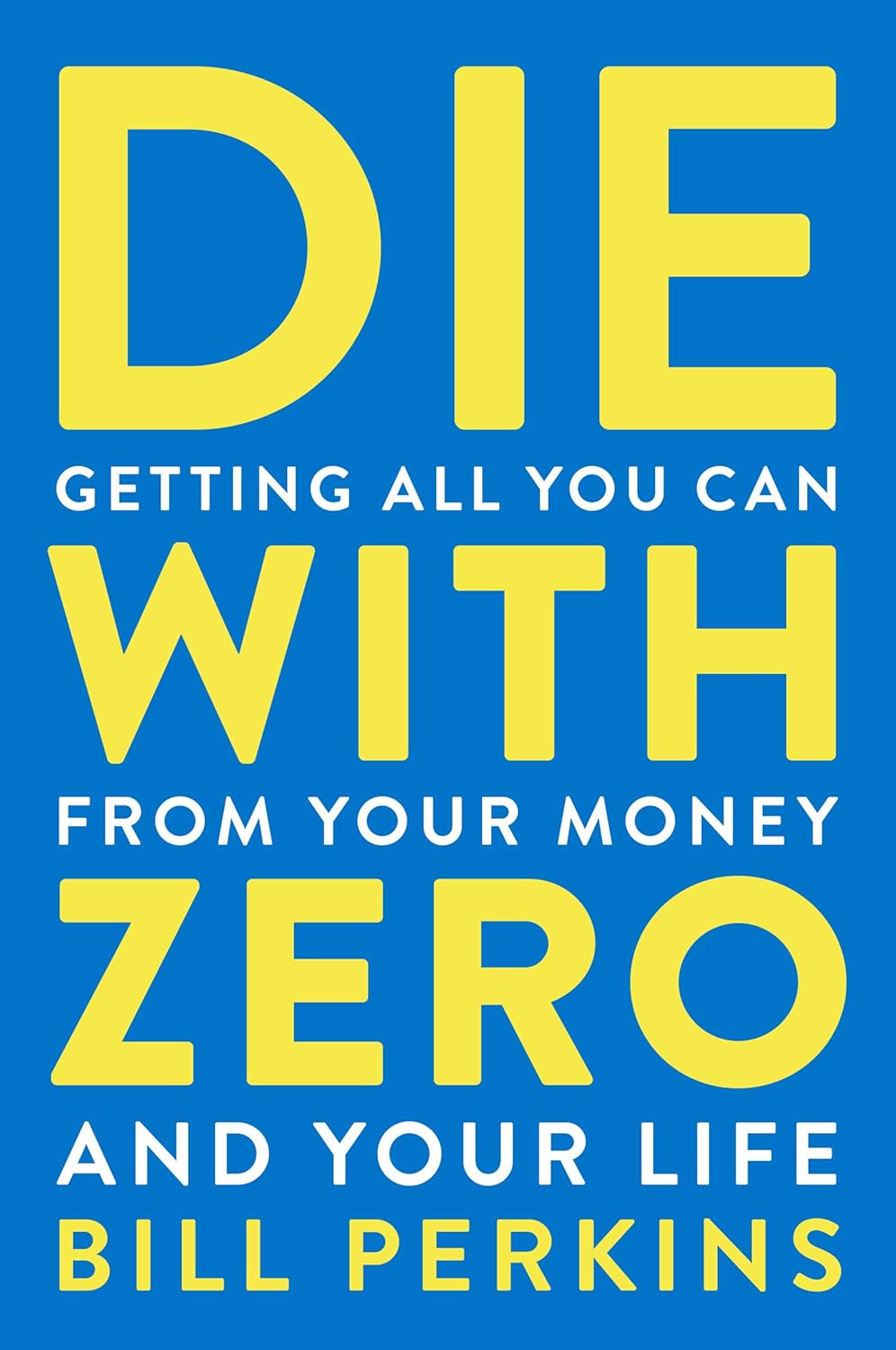
8. Die With Zero – Bill Perkins
Challenges the traditional approach to saving by encouraging intentional spending and life fulfillment.
⚠️ Common Money Management Pain Points
- Living paycheck to paycheck with little or no savings.
- Difficulty creating and sticking to a monthly budget.
- Growing credit card debt and loan repayments.
- Confusion about where and how to start investing.
- Impulse spending and poor financial habits.
- Lack of long-term planning for retirement or financial independence.
- Financial stress caused by unexpected expenses.
Benefits
- Master your budgeting and debt-reduction strategies
- Learn how to automate savings and grow wealth
- Understand emotional and behavioral aspects of money
- Build long-term habits for financial independence
- Apply insights from real-life case studies and millionaire habits
Ideal Readers
- College students and recent graduates
- Young professionals and working families
- People in debt or recovering from poor money habits
- Entrepreneurs and freelancers managing irregular income
- Anyone seeking financial independence or early retirement
Skills and Tools
Skills and Tools
🧠 Skills You Learn
- Budgeting and tracking expenses
- Debt payoff and emergency fund planning
- Smart investing and compound growth
- Value-based spending
- Behavioral finance and money psychology
🔧 Tools
- Debt Snowball and Emergency Fund Plans (Total Money Makeover)
- Conscious Spending Plan (I Will Teach You to Be Rich)
- YNAB Method (You Need a Budget)
- Money–Life Alignment Charts (Your Money or Your Life)
Pros and Cons
Pros and Cons
- The Total Money Makeover (Dave Ramsey)
Pros: Extremely clear "Baby Steps" framework; excellent for getting out of debt quickly; highly motivating for beginners.
Cons: Advice on credit cards and investing can be polarizing; some find the tone a bit rigid or preachy.
- You Are So Money (Farnoosh Torabi)
Pros: Relatable advice for Gen Z/Millennials; focuses on enjoying life while being smart with money; great for those with "champagne tastes on a beer budget."
Cons: Might feel less relevant to older readers or those already well-established in their careers.
- I Will Teach You to Be Rich (Ramit Sethi)
Pros: Focuses on automated systems and "Big Wins" (salary, housing); emphasizes spending guilt-free on things you love.
Cons: Requires some initial tech setup for automation; very direct and unconventional writing style.
- The Next Millionaire Next Door (Thomas J. Stanley & Sarah Stanley Fallaw)
Pros: Based on extensive research and data; debunks myths about wealth; encourages sustainable, long-term habits.
Cons: Can be heavy on statistics and data, which might feel dry to some readers.
- Your Money or Your Life (Vicki Robin)
Pros: Deeply philosophical; helps you value your "life energy" over material goods; a cornerstone for the FIRE (Financial Independence) movement.
Cons: The manual tracking system can feel tedious in the age of modern banking apps.
- You Need a Budget (Jesse Mecham)
Pros: Shifts your mindset to "giving every dollar a job"; excellent for breaking the paycheck-to-paycheck cycle.
Cons: More of a tactical budgeting guide than a broad investment or philosophy book.
- The Psychology of Money (Morgan Housel)
Pros: Engaging, short stories; focuses on the behavior behind money rather than just math; timeless advice for all levels.
Cons: Does not provide a "step-by-step" technical plan for investing.
- Die With Zero (Bill Perkins)
Pros: Challenges conventional retirement wisdom; focuses on optimizing for "memory dividends" and experiences while young.
Cons: Requires a decent baseline of financial security to implement effectively; might feel risky to very conservative savers.
Frequently Asked Questions
Frequently Asked Questions
- Which book is best for someone in heavy debt?
The Total Money Makeover is the gold standard for debt-crushing strategies, though You Need a Budget is also excellent for gaining control of daily spending.
- I want to automate my finances. Which one should I choose?
I Will Teach You to Be Rich by Ramit Sethi is the best guide for setting up a "set it and forget it" system for your banking and investments.
- Are these books suitable for the Indian market?
While most authors are American, the core principles of saving, behavioral psychology, and budgeting apply globally. You just need to substitute 401(k)s with Indian equivalents like EPF, PPF, or ELSS.
- What is the best book for understanding 'Financial Independence'?
Your Money or Your Life is widely considered the bible of the Financial Independence, Retire Early (FIRE) movement.
- Is 'The Psychology of Money' hard to read?
Not at all. It is one of the most accessible finance books ever written, consisting of 19 short stories that focus on human behavior rather than complex spreadsheets.
- Which book helps with a "YOLO" mindset?
Die With Zero is perfect for those who save too much and forget to live, while You Are So Money helps you balance luxury with responsibility.
🎁 Festive Pick: Build smart money habits with practical finance books
Shop Self‑Help Deals →
| 📘 Book Title & Author | 💰 Price (INR) | 🔗 Buy on Amazon |
|---|---|---|
| The Total Money Makeover | ₹430 – Prices may vary | 📚 Grab it now! |
| You Are So Money | ₹390 – Prices may vary | 📚 Grab it now! |
| I Will Teach You to Be Rich | ₹450 – Prices may vary | 📚 Grab it now! |
| The Next Millionaire Next Door | ₹480 – Prices may vary | 📚 Grab it now! |
| Your Money or Your Life | ₹460 – Prices may vary | 📚 Grab it now! |
| You Need a Budget | ₹410 – Prices may vary | 📚 Grab it now! |
| The Psychology of Money | ₹400 – Prices may vary | 📚 Grab it now! |
| Die With Zero | ₹440 – Prices may vary | 📚 Grab it now! |
Affiliate Disclosure: This post may contain affiliate links, which means I may earn a small commission if you click on the link and make a purchase. There is no additional cost to you. I only recommend products and services that I believe will add value to my readers. Thank you for your support!
Share