

Cybersecurity Books in India 2026 | Beginners to Professionals
Cybersecurity Books in India 2026 | Beginners to Professionals
Disclosure: This page contains affiliate links. We may earn a commission if you purchase through them, at no extra cost to you. We only recommend products we believe are useful.
📘 Why Read Cybersecurity Books?
Cybersecurity knowledge is increasingly useful for students, professionals, businesses, and everyday internet users in India. Whether you're learning how to protect personal information, exploring cybersecurity as a career, preparing for a certification, or developing technical security skills, books can provide a structured way to understand important concepts.
This collection brings together cybersecurity books covering digital privacy, ethical hacking, malware analysis, cryptography, incident response, cyber defense, and cyber warfare. From accessible introductions to advanced technical references, these books offer different levels of depth for readers at different stages of their learning journey.
If you're looking for cybersecurity books in India, you can explore the collection below and choose titles based on your interests, experience level, and learning goals.
📋 At a Glance
🛡️ Best For
Students, beginners, IT professionals, security analysts, ethical hacking learners, business leaders, and privacy-conscious readers.
📚 Topics Covered
Cybersecurity fundamentals, ethical hacking, malware analysis, online privacy, cryptography, incident response, cyber defense, and cyber warfare.
🎯 Skill Levels
Includes accessible books for beginners as well as more technical titles for experienced cybersecurity and IT learners.
🇮🇳 Availability
Explore cybersecurity books available to readers in India, with options covering different learning goals and technical levels.
🎯 What You Can Explore
| Learning Goal | Recommended Book |
|---|---|
| Understand cybersecurity fundamentals, digital safety, and common online threats. | Cybersecurity for Dummies |
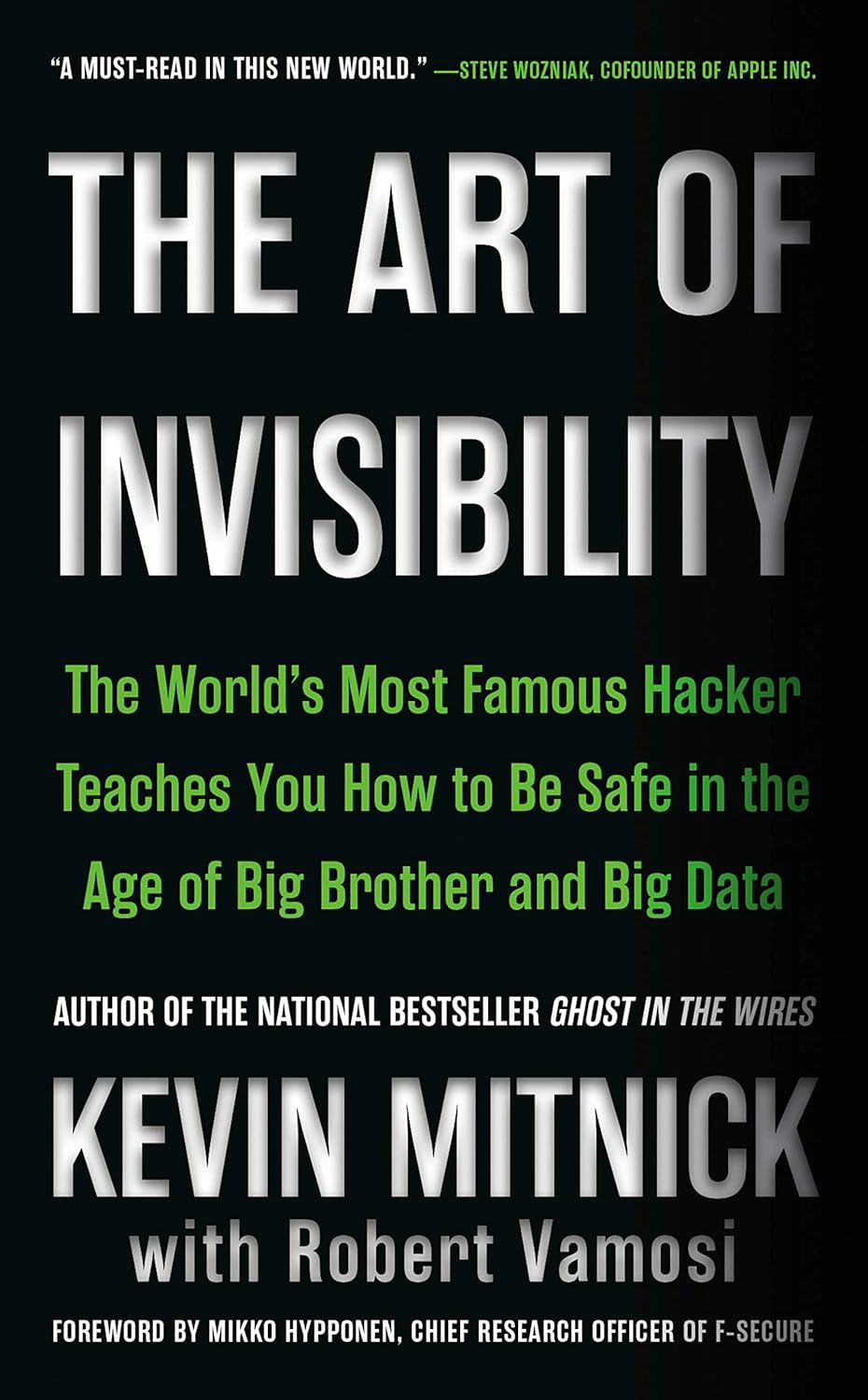
| Explore online privacy, anonymity, and ways to reduce unnecessary digital exposure. | The Art of Invisibility |
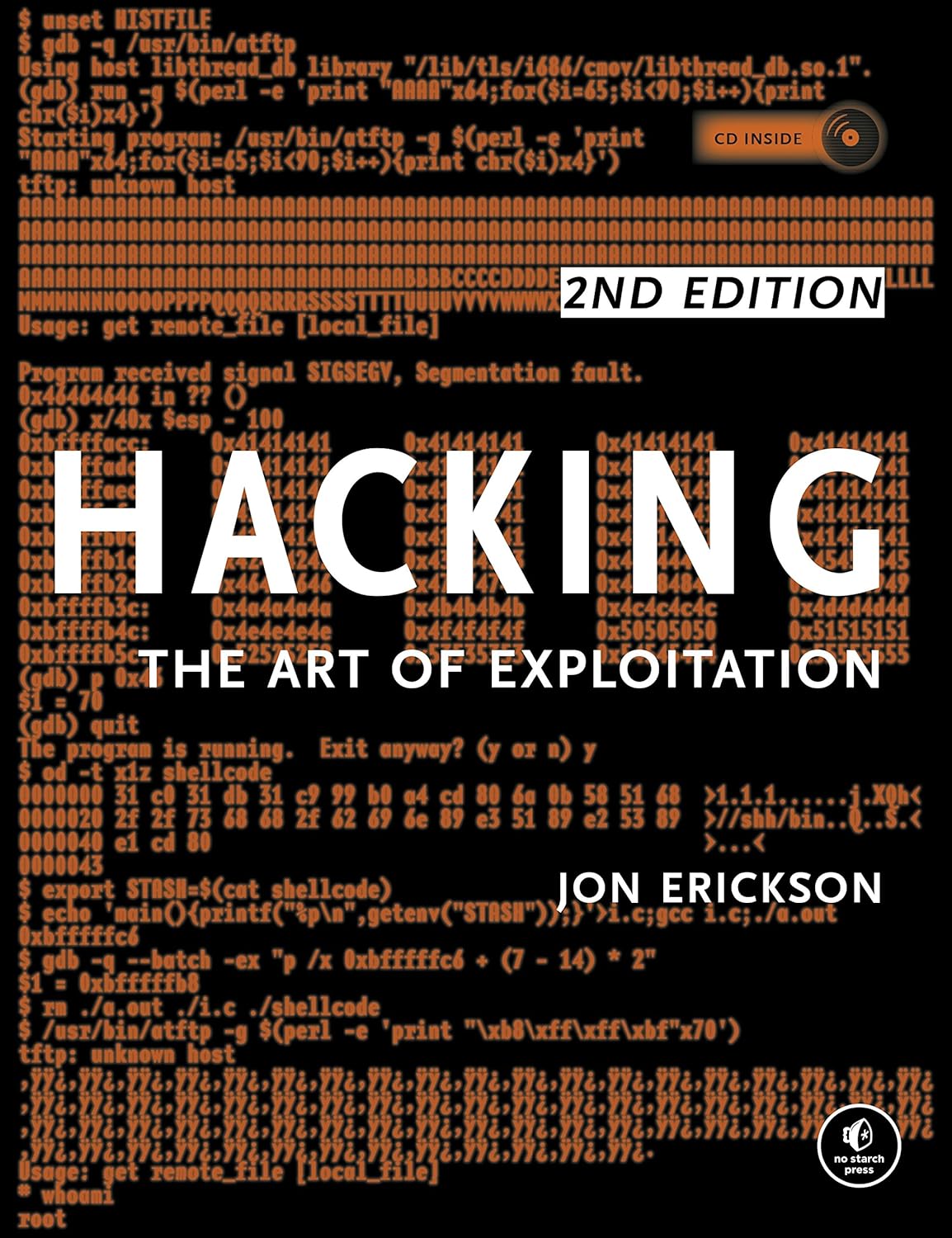
| Learn technical concepts related to ethical hacking, programming, and vulnerability analysis. | Hacking: The Art of Exploitation |
| Build a foundation in cybersecurity concepts, threats, and defensive practices. | Cybersecurity Essentials |
| Learn about incident response and defensive security practices. | Blue Team Handbook |
| Explore surveillance, data collection, privacy, and information security. | Data and Goliath |
| Study malware analysis, reverse engineering, and threat investigation. | Practical Malware Analysis |
| Explore encryption principles, cryptographic algorithms, and secure communication. | Applied Cryptography |
| Learn about the history and development of hacker culture. | Cult of the Dead Cow |
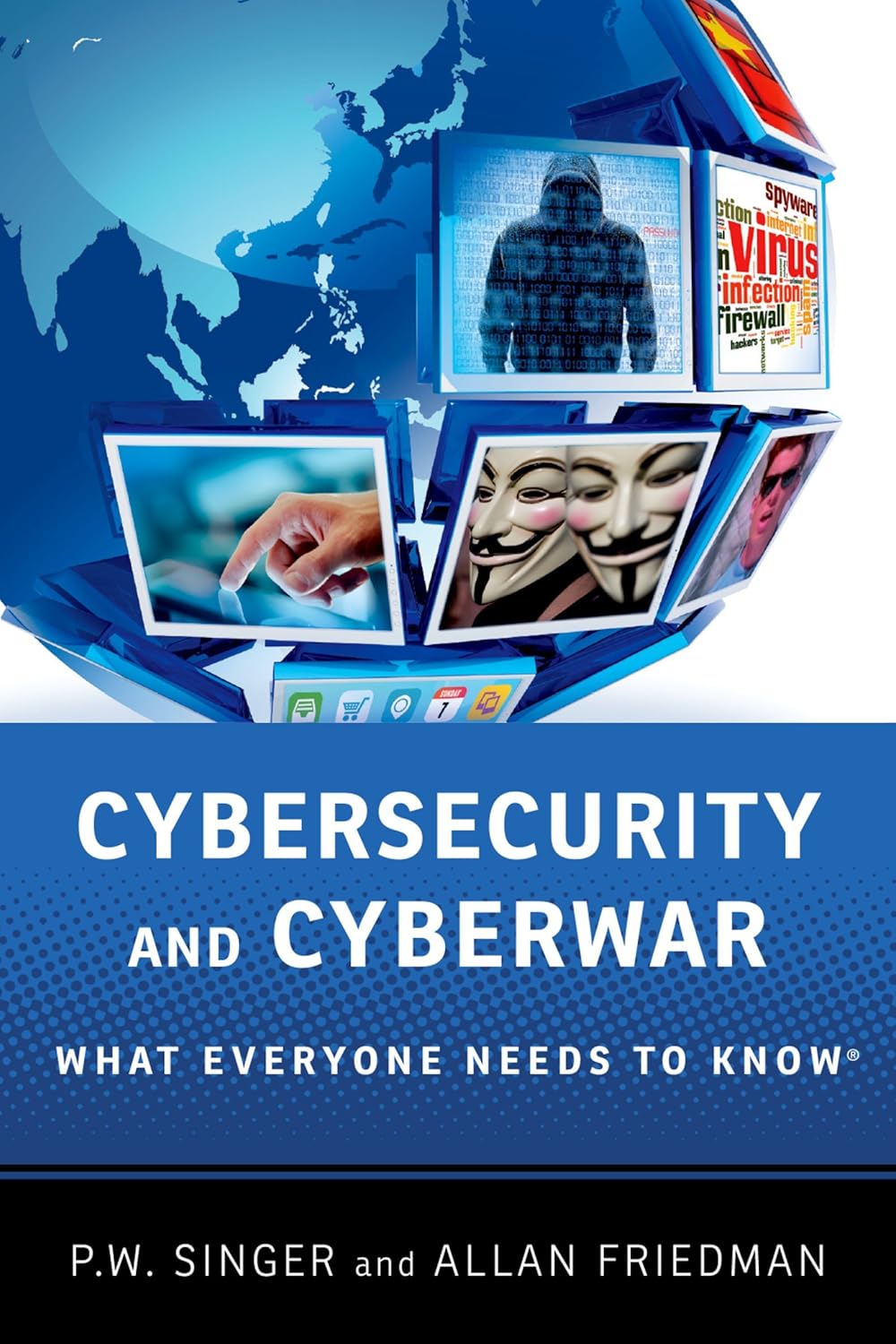
| Explore cybersecurity, cyber warfare, technology, and broader security strategy. | Cybersecurity and Cyberwar |
📚 Featured Cybersecurity Books
🛡️ Cybersecurity for Dummies
An accessible introduction to cybersecurity covering online threats, digital safety, passwords, phishing, privacy, and everyday security practices.
- ✔ Suitable for readers new to cybersecurity
- ✔ Covers common digital security topics
- ✔ Uses accessible explanations
🦠 Practical Malware Analysis
A technical guide covering malware analysis, reverse engineering, and threat investigation for readers with an existing technical foundation.
- ✔ Focuses on malware analysis
- ✔ Includes technical exercises and examples
- ✔ More suitable for experienced learners
👥 Who Can Read These Cybersecurity Books?
- Beginners and Students looking to understand cybersecurity fundamentals, online safety, privacy, and digital threats.
- IT Professionals and Security Analysts who want to expand their knowledge of defensive security, incident response, malware analysis, or security concepts.
- Ethical Hacking and Penetration Testing Learners interested in understanding vulnerabilities and security testing in authorized environments.
- Business Owners and Managers who want to better understand cybersecurity risks and the importance of protecting business information.
- Privacy-Conscious Readers interested in digital privacy, surveillance, data collection, and personal information protection.
- Indian Learners Preparing for Cybersecurity Careers who want additional reading material alongside courses, practical labs, and certification preparation.
❓ Frequently Asked Questions About Cybersecurity Books in India
-
Which cybersecurity book is suitable for beginners in India?
A beginner can start with an accessible introduction such as Cybersecurity for Dummies. It covers common cybersecurity concepts and digital safety without assuming extensive technical knowledge.
-
Is The Art of Invisibility about hacking?
The book primarily focuses on online privacy, anonymity, and protecting personal information rather than providing a technical guide to hacking.
-
Do I need programming knowledge for Hacking: The Art of Exploitation?
Programming and computer systems knowledge can make this book easier to follow because it takes a more technical approach to exploitation and security concepts.
-
Is Cybersecurity Essentials suitable for students?
It can be useful for students and beginners who want to develop foundational knowledge of cybersecurity concepts, threats, and defensive practices.
-
Who can benefit from the Blue Team Handbook?
The book is aimed more toward readers interested in defensive security and incident response, including IT professionals and cybersecurity practitioners.
-
Is Data and Goliath a technical cybersecurity book?
It focuses more on data collection, surveillance, privacy, and information security than on hands-on technical cybersecurity.
-
Is Practical Malware Analysis suitable for beginners?
It is better suited to readers who already have some technical knowledge and want to explore malware analysis and reverse engineering in greater depth.
-
Is Applied Cryptography useful for cybersecurity learners?
It can provide deeper background on cryptography and security concepts. Readers should also consult current technical resources because specific technologies and standards can change over time.
-
Is Cult of the Dead Cow a technical cybersecurity book?
No. It focuses primarily on hacker culture, history, technology, and the development of ideas around cybersecurity rather than serving as a technical manual.
-
Who should read Cybersecurity and Cyberwar?
It can be useful for readers interested in cybersecurity from a broader technological, strategic, and geopolitical perspective, including students, professionals, and business leaders.
📖 How to Choose a Cybersecurity Book in India
The right cybersecurity book depends on your current knowledge and what you want to learn. Before choosing a title, consider the following:
- Start with your experience level: Beginners may prefer introductory books, while IT professionals can explore more specialized technical material.
- Identify your learning goal: Decide whether you are interested in online safety, privacy, ethical hacking, incident response, malware analysis, cryptography, or cybersecurity strategy.
- Consider technical depth: Advanced books may assume knowledge of programming, networking, operating systems, or computer science.
- Check the edition: Cybersecurity changes quickly, so check the publication date and edition, particularly for technical subjects.
- Combine reading with practice: Books can build conceptual understanding, while authorized labs, simulations, courses, and practical exercises can help reinforce what you learn.
🎓 Cybersecurity Learning for Indian Students & Professionals
Cybersecurity books can complement other forms of learning for readers in India. If you are exploring cybersecurity as a career, consider combining reading with structured courses, hands-on laboratories, programming and networking practice, and relevant certification preparation.
Cybersecurity covers many career areas, including security operations, ethical hacking, cloud security, application security, digital forensics, malware analysis, governance, risk management, and security testing. You do not need to study every specialization at once. Start with the fundamentals and gradually explore the areas that match your interests.
🔐 Build Your Cybersecurity Knowledge Step by Step
- Begin with the basics: Learn about passwords, authentication, phishing, privacy, malware, networks, and common security risks.
- Develop technical foundations: Networking, operating systems, programming, and computer architecture can support deeper cybersecurity learning.
- Practice safely: Use authorized cybersecurity labs, virtual machines, simulations, and training environments when developing technical skills.
- Explore a specialization: Consider areas such as ethical hacking, cloud security, security operations, digital forensics, malware analysis, or governance.
- Keep learning: Combine books with current security resources because cybersecurity technologies, threats, and defensive practices continue to evolve.
📘 Summary
Cybersecurity is a broad field covering everything from everyday online safety and privacy to ethical hacking, malware analysis, cryptography, incident response, and security strategy. The books in this collection offer different levels of technical depth, allowing Indian readers to choose resources based on their current knowledge and learning goals.
Whether you're a student beginning to explore cybersecurity, an IT professional expanding your technical knowledge, a business owner learning about digital risks, or a reader interested in online privacy, books can be a useful part of a broader cybersecurity learning plan.
📚 Continue Learning
📦 Related Products