

Best Startup & Entrepreneurship Books in India
Best Startup & Entrepreneurship Books in India
Disclosure: This page contains affiliate links. We may earn a commission if you purchase through them, at no extra cost to you. We only recommend products we believe are useful.
📘 Why Read Startup & Entrepreneurship Books in India?
Starting a business in India can involve many different challenges—from identifying a useful business idea and understanding customers to managing limited resources, building a digital presence, and finding sustainable ways to grow.
Startup and entrepreneurship books can help you explore different approaches to business planning, customer acquisition, leadership, productivity, personal branding, and product development. They offer ideas and frameworks that you can adapt to your own industry, location, resources, and business goals.
This curated collection brings together books covering different stages of the entrepreneurial journey, from starting a small business or side venture to building an audience, improving productivity, attracting customers, developing products, and managing the challenges of leadership.
🚀 At a Glance
💼 Best For
Aspiring entrepreneurs, startup founders, freelancers, creators, small-business owners, and professionals exploring business opportunities in India.
📚 Key Topics
Business ideas, startup thinking, personal branding, productivity, customer acquisition, product engagement, leadership, and business growth.
🎯 Skill Level
Beginner to advanced. The collection includes accessible books for first-time entrepreneurs as well as titles covering leadership and business challenges.
🇮🇳 India Focus
Useful for Indian readers exploring startups, small businesses, freelancing, online businesses, digital entrepreneurship, and career transitions.
🎯 What You'll Explore
| What You'll Explore | Recommended Book |
|---|---|
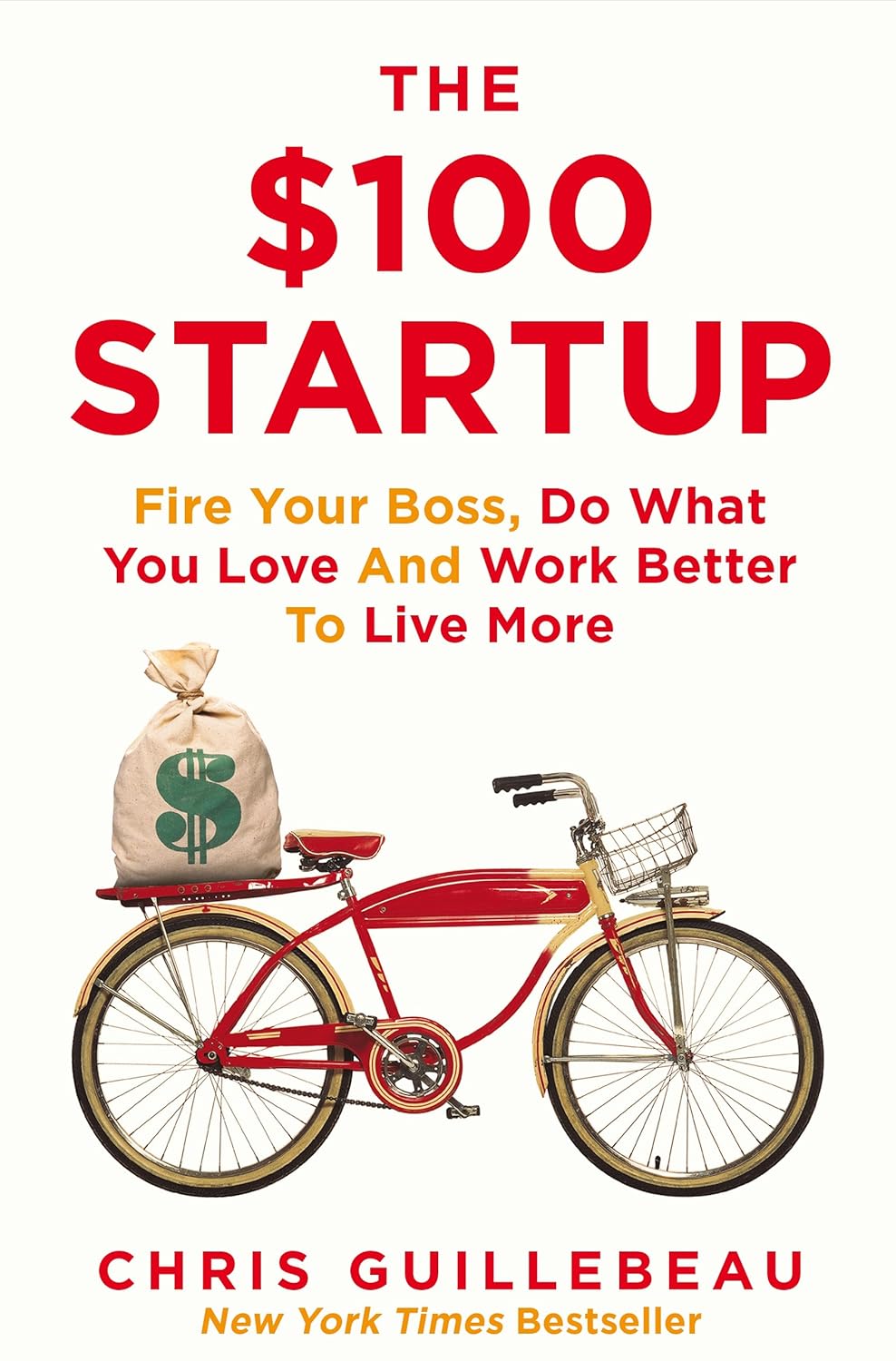
| Explore ideas around starting small, using existing skills, testing business opportunities, and building a simple business with limited resources. |
The $100 Startup Explore the Book 💼 |
| Learn about personal branding, social media, audience building, and creating business opportunities around your content or expertise. |
Crushing It! Explore Branding 🚀 |
| Explore productivity, automation, delegation, remote work, and ways to think differently about how you organise your working life. |
The 4-Hour Workweek Explore Productivity ⏰ |
| Discover a simpler approach to business planning, productivity, decision-making, and getting useful work completed without unnecessary complexity. |
Rework Explore Business Ideas 💡 |
| Explore themes around leadership, personal development, ambition, discipline, decision-making, and building a meaningful professional life. |
The Diary of a CEO Explore Leadership 🎯 |
| Learn about customer acquisition and different marketing channels that startups can test when looking for ways to reach potential customers. |
Traction Explore Customer Growth 📊 |
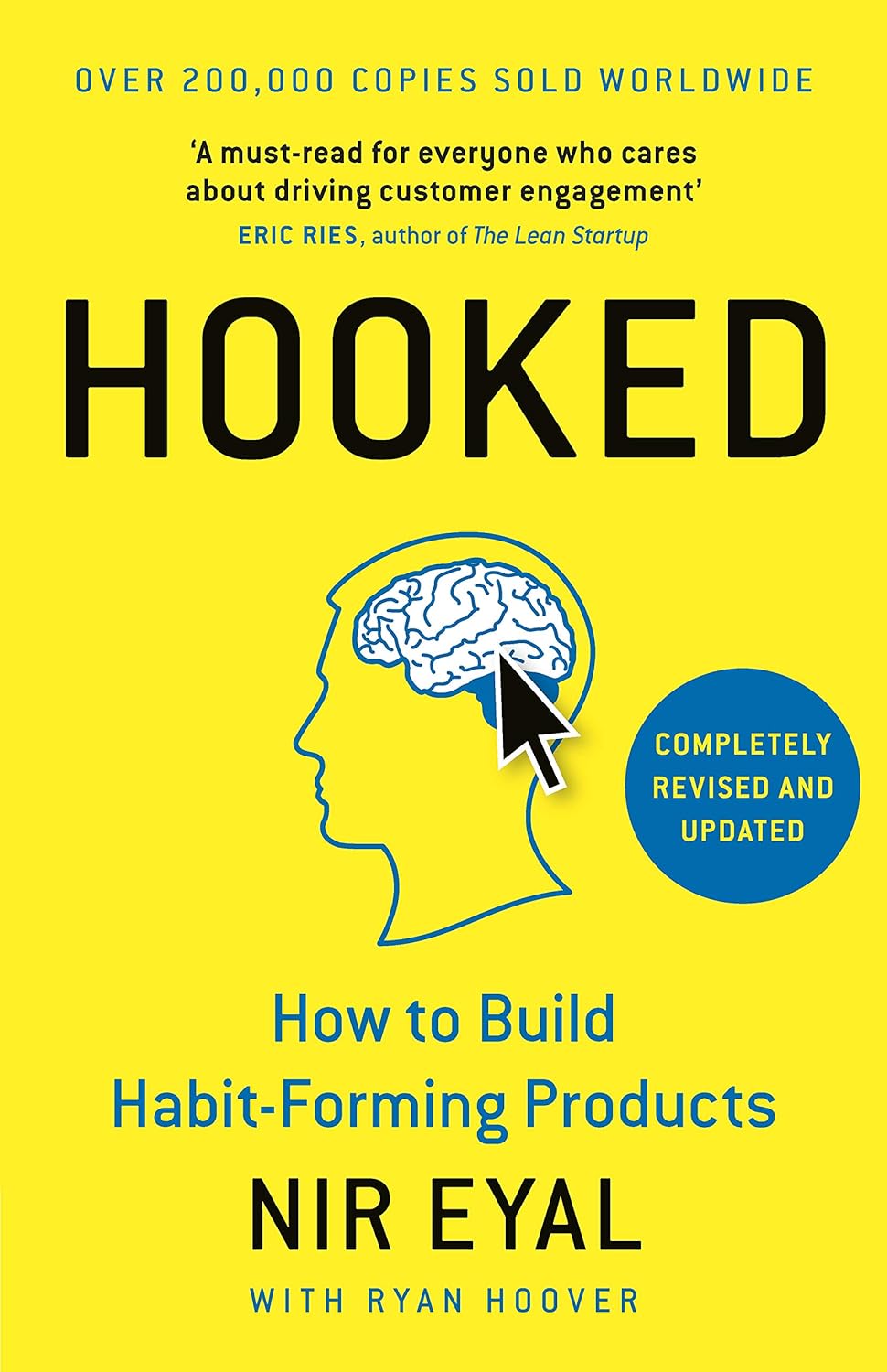
| Understand behavioural psychology and product-design concepts related to user engagement and repeated interaction with digital products. |
Hooked Explore Product Design 🪝 |
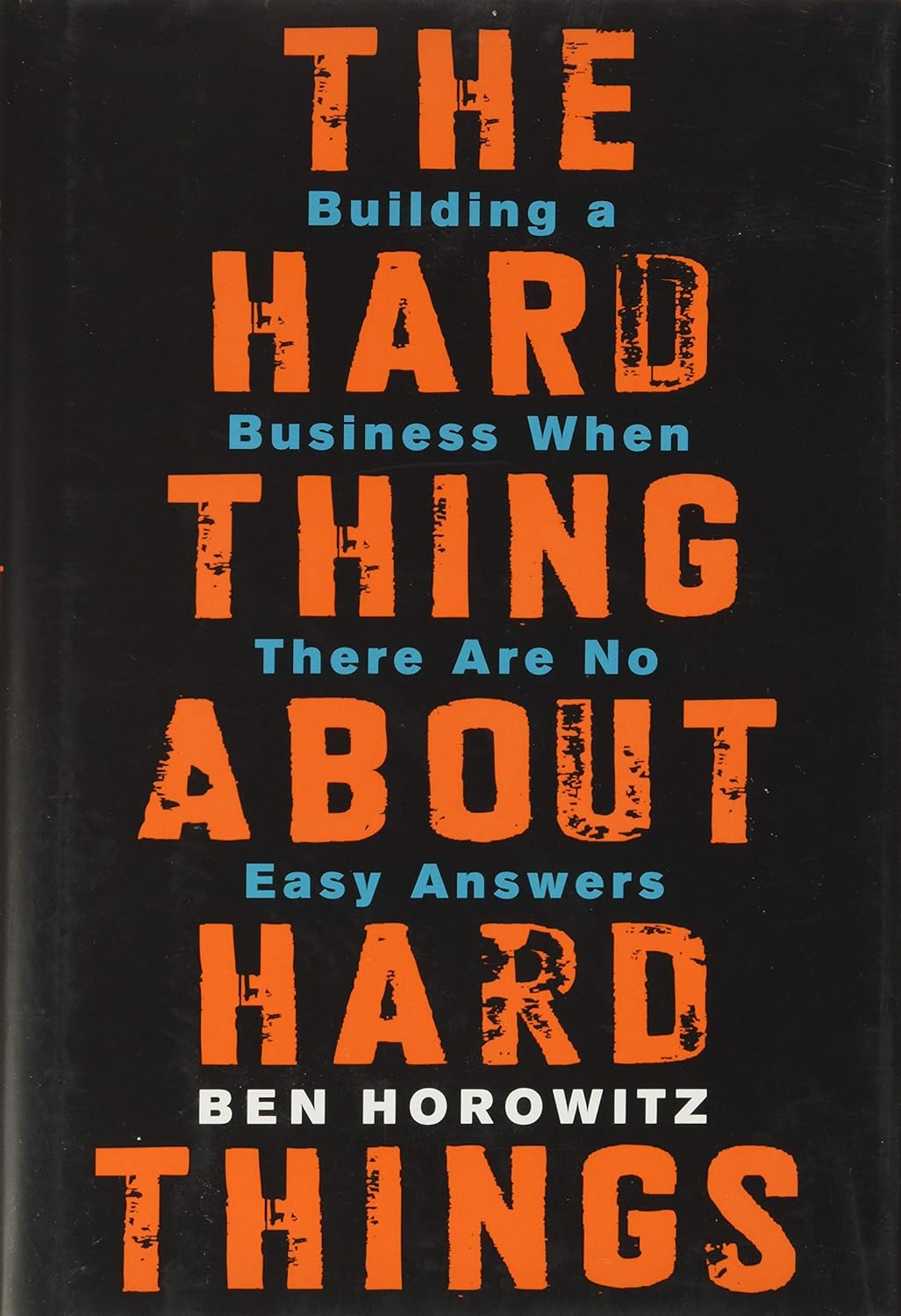
| Explore the realities of leadership, difficult decisions, managing teams, setbacks, and the challenges involved in running a growing company. |
The Hard Thing About Hard Things Explore Leadership Challenges 🏆 |
📚 Featured Books
📘 The $100 Startup
This book explores how people have built businesses around their skills and interests while starting with relatively limited resources. It can be useful for readers considering freelancing, consulting, side businesses, or small ventures.
- ✔ Useful for first-time entrepreneurs
- ✔ Focuses on starting small
- ✔ Relevant to freelancers and independent businesses
📘 The Hard Thing About Hard Things
Ben Horowitz discusses the difficult situations founders and business leaders can encounter while building and managing companies, including leadership, hiring, decision-making, and setbacks.
- ✔ Useful for founders and business leaders
- ✔ Focuses on difficult business situations
- ✔ Offers lessons from real startup experiences
🇮🇳 Why These Books Can Be Useful for Indian Entrepreneurs
Entrepreneurship in India includes a wide range of businesses, from local services and family businesses to technology startups, online stores, consulting practices, creator businesses, and freelance ventures.
The books in this collection come from different business environments, so not every idea will apply directly to the Indian market. Use them as learning resources and adapt relevant concepts to your customers, industry, budget, regulations, and business model.
For example, an Indian freelancer may find ideas about personal branding and customer acquisition useful, while a startup founder may be more interested in leadership, product development, or business growth. Someone starting a small side business may prefer resources focused on simplicity, productivity, and testing an idea before making a larger investment.
👥 Who Should Explore These Books?
- Aspiring Entrepreneurs in India exploring their first business idea.
- Startup Founders working on products, teams, customers, and business growth.
- Small-Business Owners looking for new perspectives on running and improving a business.
- Freelancers considering a transition from individual projects to a structured business.
- Creators interested in personal branding, audience building, and digital entrepreneurship.
- Working Professionals exploring a side business or entrepreneurial career path.
- Students interested in startups, innovation, business, and independent work.
- Digital Entrepreneurs building online services, products, communities, or content-based businesses.
❓ Frequently Asked Questions
-
Which entrepreneurship book should beginners in India explore first?
If you're completely new to entrepreneurship, The $100 Startup provides an accessible introduction to starting small and thinking about how skills and customer needs can become business opportunities. Rework is another option for readers interested in simple approaches to building a business.
-
Are these startup books useful for Indian entrepreneurs?
Yes, they can provide useful business concepts and different entrepreneurial perspectives. However, most of these books are based on experiences from other markets, so readers should adapt the ideas to Indian customers, industries, regulations, costs, and business conditions.
-
Which book is useful for freelancers?
The $100 Startup can be relevant to freelancers exploring how their skills might become a broader business. Crushing It! may also be useful for freelancers interested in personal branding and building an online audience.
-
Which book covers customer acquisition?
Traction focuses specifically on customer acquisition and different marketing channels that startups can explore and test.
-
Which book covers leadership challenges?
The Hard Thing About Hard Things focuses on difficult situations that founders and leaders may encounter while managing teams, making decisions, and running a growing company.
-
Are these books suitable for experienced entrepreneurs?
Yes. Readers with business experience may find value in exploring different perspectives on leadership, customer acquisition, productivity, product engagement, branding, and business operations.
-
Should I read all eight books?
You don't need to read the entire collection at once. Start with the topic most relevant to your current business stage—for example, The $100 Startup for starting small, Traction for customer acquisition, or The Hard Thing About Hard Things for leadership challenges.
📘 Summary
Starting and growing a business involves continuous learning. This collection brings together different perspectives on entrepreneurship, personal branding, productivity, customer acquisition, product engagement, leadership, and business growth.
Whether you're an Indian student exploring entrepreneurship, a freelancer building a business, a creator developing an online brand, a small-business owner, or a startup founder, you can choose books based on the challenges and skills most relevant to your current stage.
Books are a starting point for learning. Combine what you read with customer research, practical experimentation, financial planning, and relevant professional advice when making important business decisions.
📚 Continue Learning