

8 Best Money Books for Growth in 2026
8 Best Money Books for Growth in 2026
Disclosure: This page contains affiliate links. We may earn a commission if you purchase through them, at no extra cost to you. We only recommend products we believe are useful.
📘 Why Read Personal Finance Books?
Managing money is one of the most valuable life skills, yet many people struggle with budgeting, saving, investing, and planning for the future. These carefully selected personal finance books offer practical strategies to help you eliminate debt, build wealth, improve your financial mindset, and achieve long-term financial security. Whether you're just starting your financial journey or looking to optimize your money habits, these books provide timeless lessons that can help you make smarter financial decisions with confidence.
📌 At a Glance
💰 Best For
Budgeting, debt reduction, investing, wealth building, and developing lifelong money management skills.
📚 Covers
Saving, budgeting, investing, financial independence, money psychology, debt management, and wealth creation.
🎯 Skill Level
Beginner to intermediate. Most books are practical and easy to understand, with actionable advice for everyday finances.
🏆 Expected Outcome
Build healthier money habits, reduce financial stress, grow long-term wealth, and make smarter financial decisions with confidence.
💡 What You'll Gain From These Books
| You'll Learn | Recommended Book |
|---|---|
| Create a proven plan to eliminate debt and build long-term financial stability. |
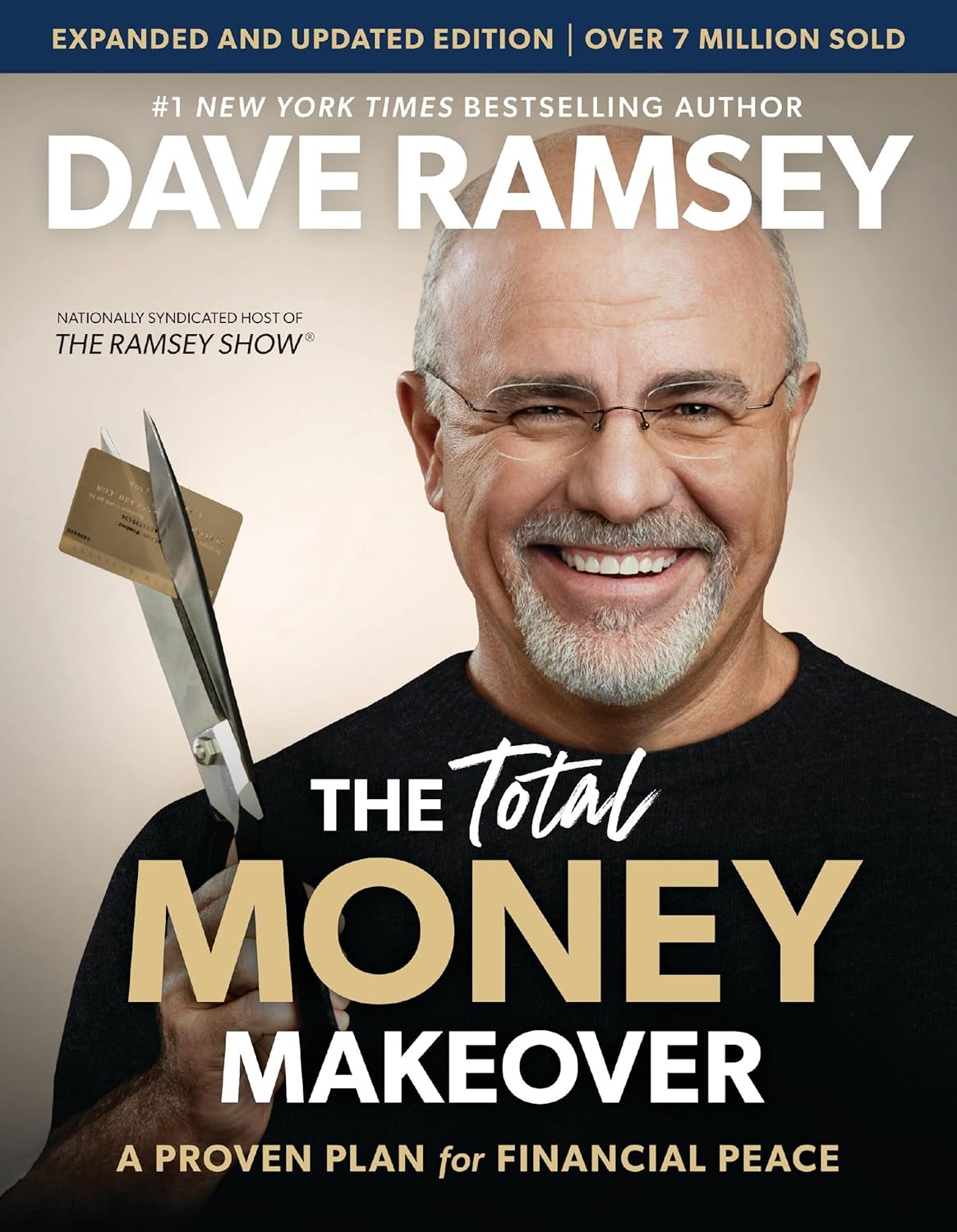
The Total Money Makeover Reduce Debt 💰 |
| Build smarter spending habits and automate your savings and investments. |
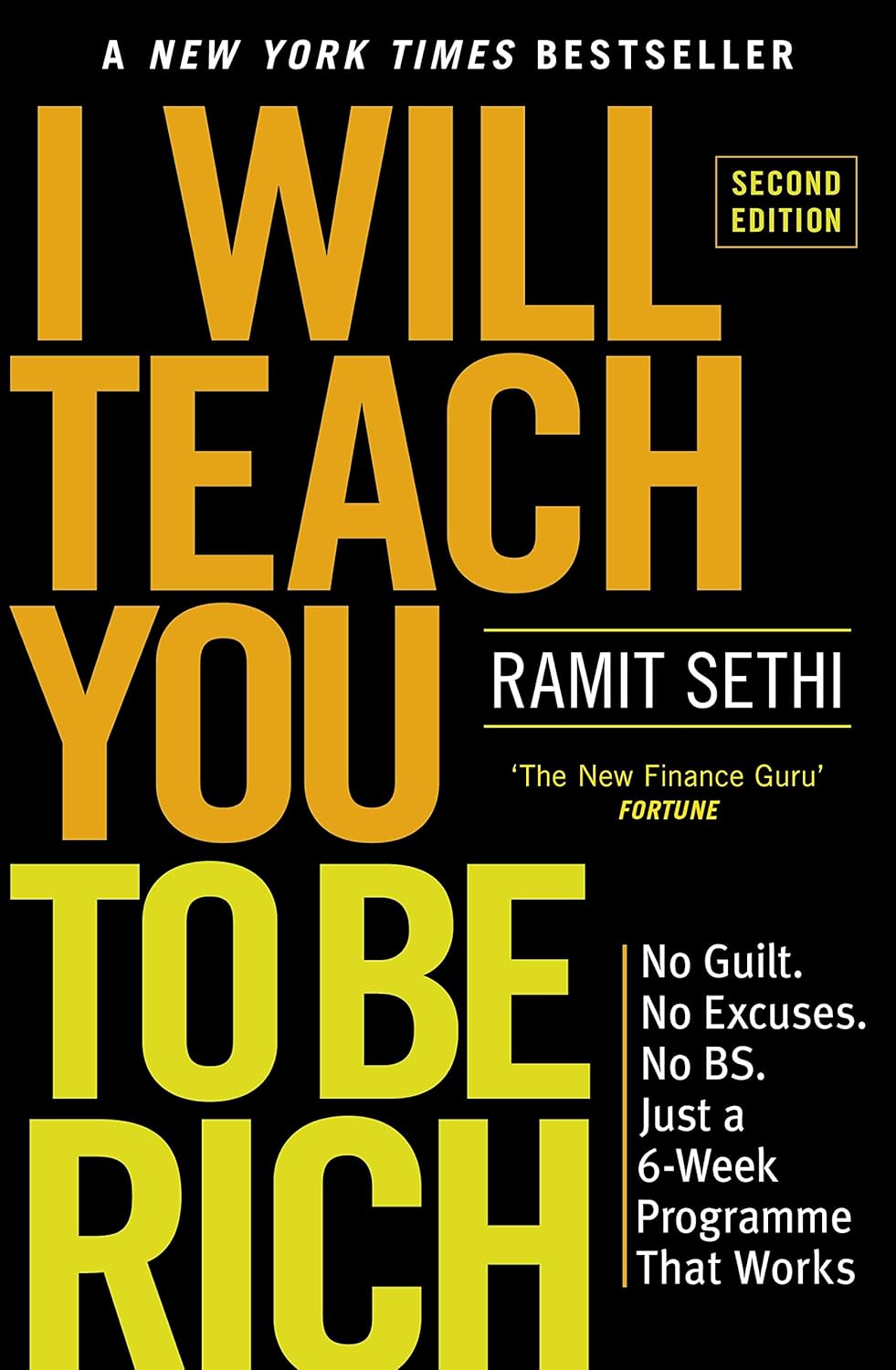
I Will Teach You to Be Rich Build Wealth 📈 |
| Understand how emotions and behavior influence financial success. |
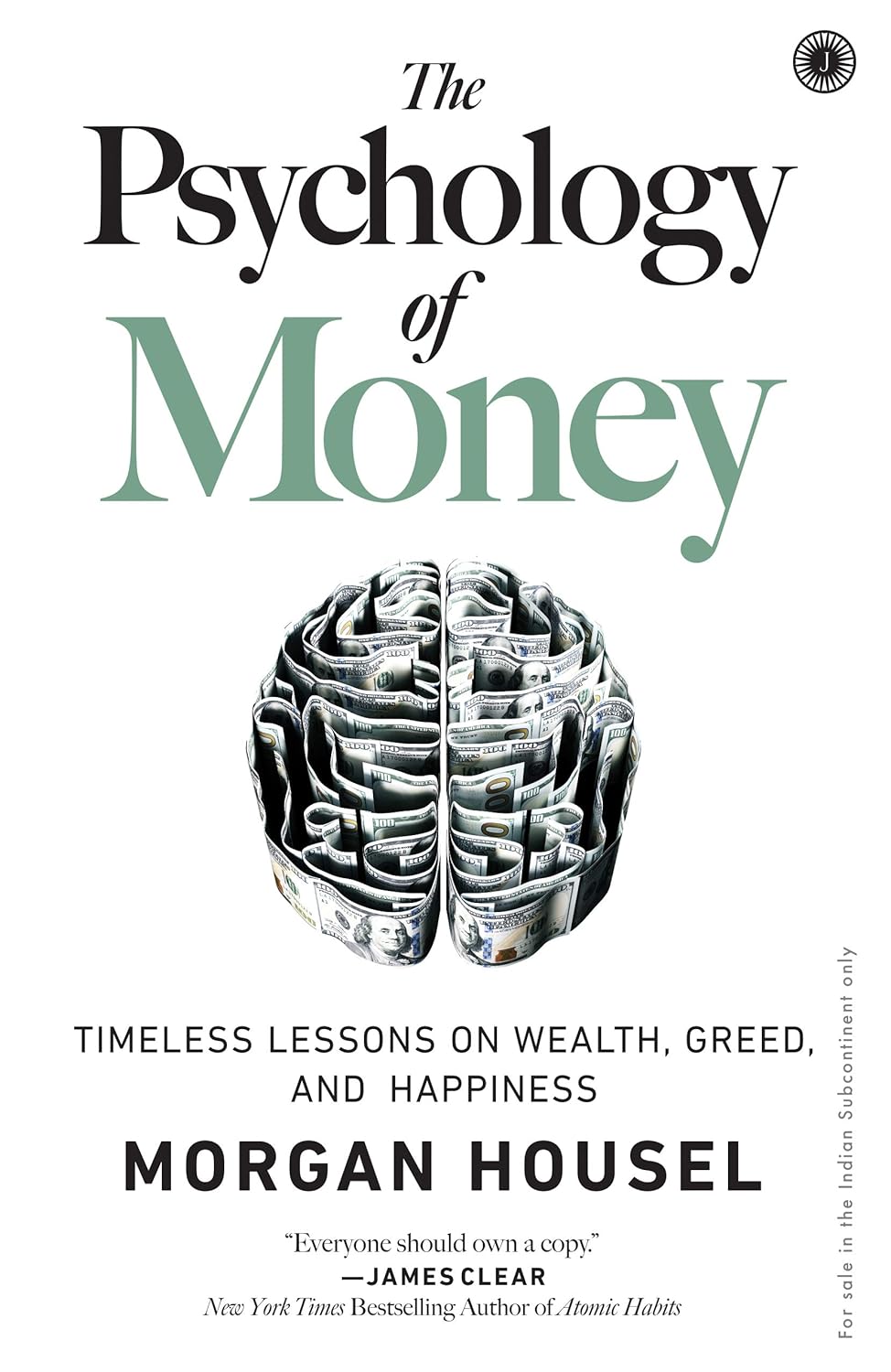
The Psychology of Money Improve Mindset 🧠 |
| Create realistic monthly budgets and gain control over everyday spending. |
You Need a Budget Budget Better 📋 |
| Learn the habits and behaviors that quietly build lasting wealth. |
The Next Millionaire Next Door Grow Wealth 🏡 |
| Align your financial decisions with your personal values and life goals. |
Your Money or Your Life Find Freedom 🌱 |
| Balance saving money while enjoying meaningful life experiences. |
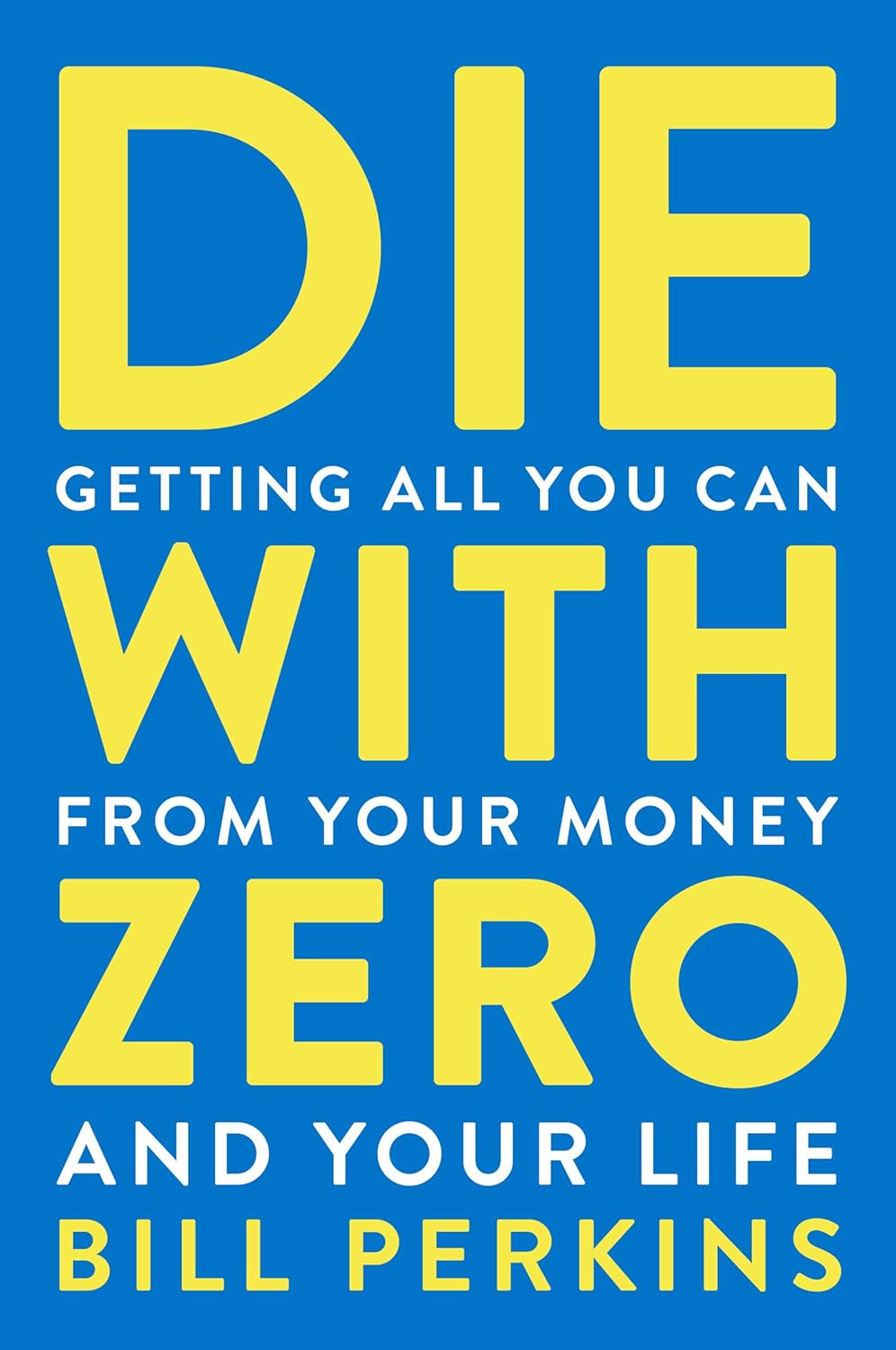
Die With Zero Live Fully ✨ |
| Develop practical money skills early in your career and avoid common financial mistakes. |
You Are So Money Start Smart 💳 |
⭐ Featured Books
I Will Teach You to Be Rich
Best for: Automating savings, budgeting, investing, and building long-term wealth with practical systems.
- ✔ Easy-to-follow financial system
- ✔ Covers saving, investing & spending
- ✔ Action-oriented and beginner friendly
The Psychology of Money
Best for: Understanding how behavior, emotions, and long-term thinking influence financial success.
- ✔ Easy-to-read short chapters
- ✔ Timeless money lessons
- ✔ Helps build healthy financial habits
👥 Who Should Read These Books?
- Students & Young Professionals: Build strong financial habits early and learn how to budget, save, and invest wisely.
- People Managing Debt: Discover practical strategies to eliminate debt and regain financial control.
- First-Time Investors: Learn the fundamentals of investing, wealth building, and long-term financial planning.
- Families & Working Professionals: Improve budgeting, reduce financial stress, and create a secure financial future.
- Anyone Seeking Financial Independence: Develop the mindset, habits, and systems needed to achieve lasting financial freedom.
❓ Frequently Asked Questions (FAQs)
-
Which book is best for beginners?
I Will Teach You to Be Rich and You Are So Money are excellent starting points because they explain personal finance in a simple, practical way. -
Which book is best for paying off debt?
The Total Money Makeover provides a step-by-step system for eliminating debt and building financial stability. -
Can these books help me start investing?
Yes. Books like I Will Teach You to Be Rich and The Psychology of Money introduce investing concepts while emphasizing long-term wealth creation. -
Are these books suitable for Indian readers?
Yes. Although many examples are based on U.S. financial systems, the principles of budgeting, saving, investing, and financial planning apply worldwide. -
Which book focuses on money mindset?
The Psychology of Money explores how emotions, habits, and behavior influence financial success more than technical knowledge alone. -
Should I read all of these books?
Not necessarily. Start with the book that matches your current goal—budgeting, debt reduction, investing, or financial independence—and expand your reading from there.
📝 Summary
Building financial security doesn't happen overnight, but the right knowledge can dramatically improve your financial future. Whether your goal is paying off debt, creating a budget, investing for retirement, or developing a healthier money mindset, these personal finance books provide practical advice backed by real-world experience. By applying the lessons from these bestselling titles, you'll be better prepared to make smarter financial decisions, grow your wealth, and achieve long-term financial confidence.
📚 Continue Learning
📦 Related Products