

Best Data Science Books in India
Best Data Science Books in India
Disclosure: This page contains affiliate links. We may earn a commission if you purchase through them, at no extra cost to you. We only recommend products we believe are useful.
📘 Why Read Data Science Books?
Data science combines programming, statistics, machine learning, data analysis, and business problem-solving to uncover useful insights from data. Whether you're a student, aspiring data analyst, software developer, business professional, or career changer in India, the right books can provide structured learning and useful reference material.
This collection brings together introductory data science guides, practical Python resources, statistics books, machine learning references, and business-focused titles. They can complement online courses, academic learning, and hands-on projects as you develop your data skills.
⚡ At a Glance
📚 Collection
8 selected books covering Python, statistics, machine learning, business analytics, and practical data science workflows.
🎯 Best For
Students, beginners, career changers, data analysts, developers, and business professionals.
📈 Skills Covered
Python programming, data analysis, statistics, machine learning, data visualization, and data-driven decision-making.
🧭 Learning Levels
Beginner-friendly introductions through intermediate resources for statistics, Python, machine learning, and business analytics.
📈 What You'll Develop
| Skill Area | Recommended Book |
|---|---|
| Develop a foundation in Python, algorithms, and core data science concepts. |
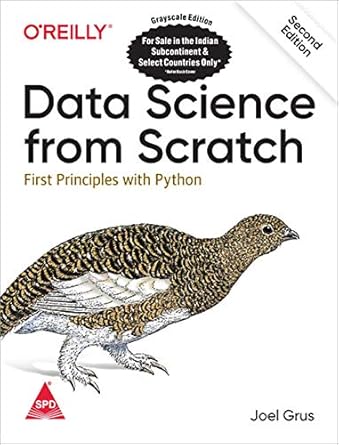
Data Science from Scratch Explore the Book 📘 |
| Explore linear algebra, probability, statistics, and calculus used in data science. |
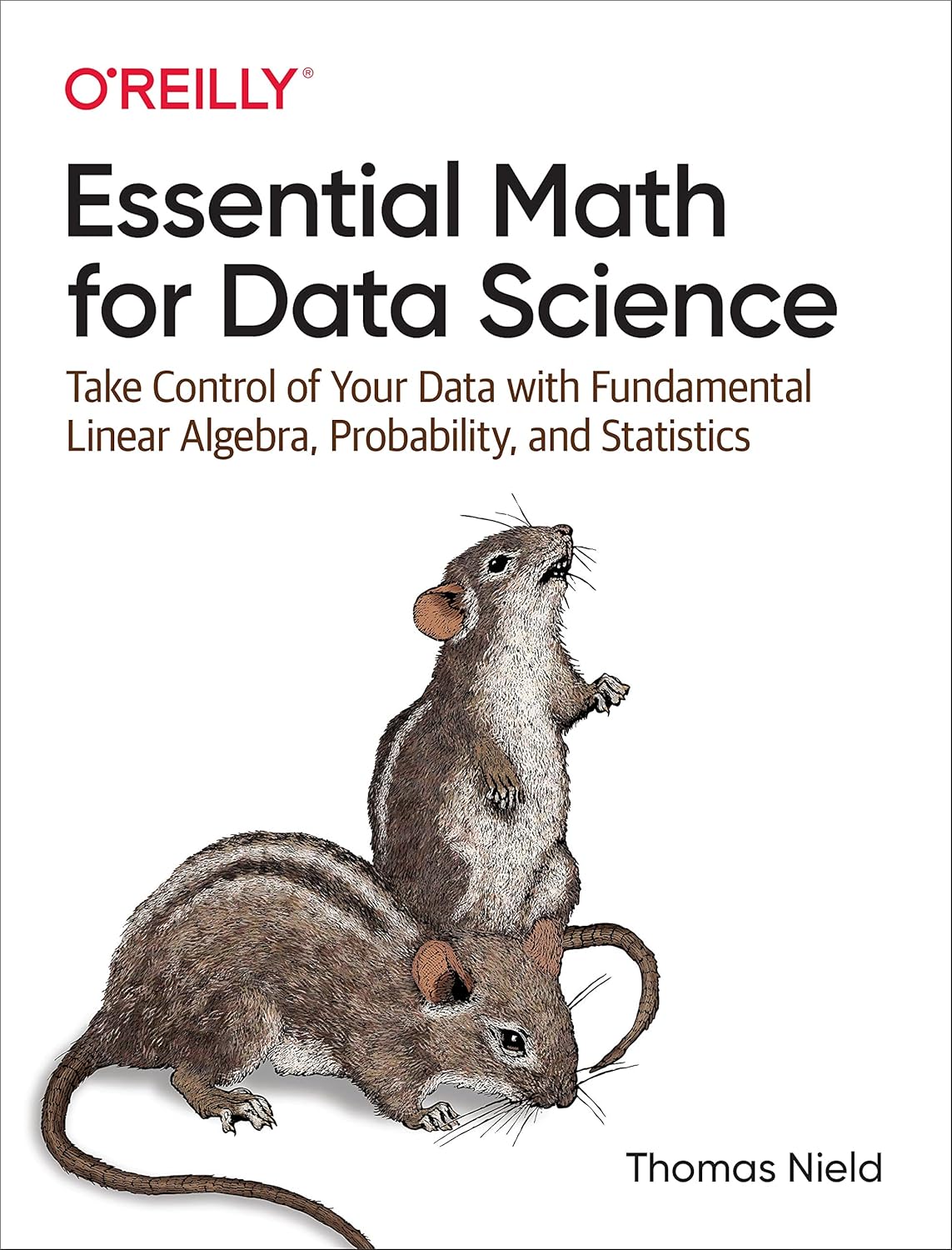
Essential Math for Data Science Explore Math ➗ |
| Apply practical statistical techniques to data analysis and data science problems. |
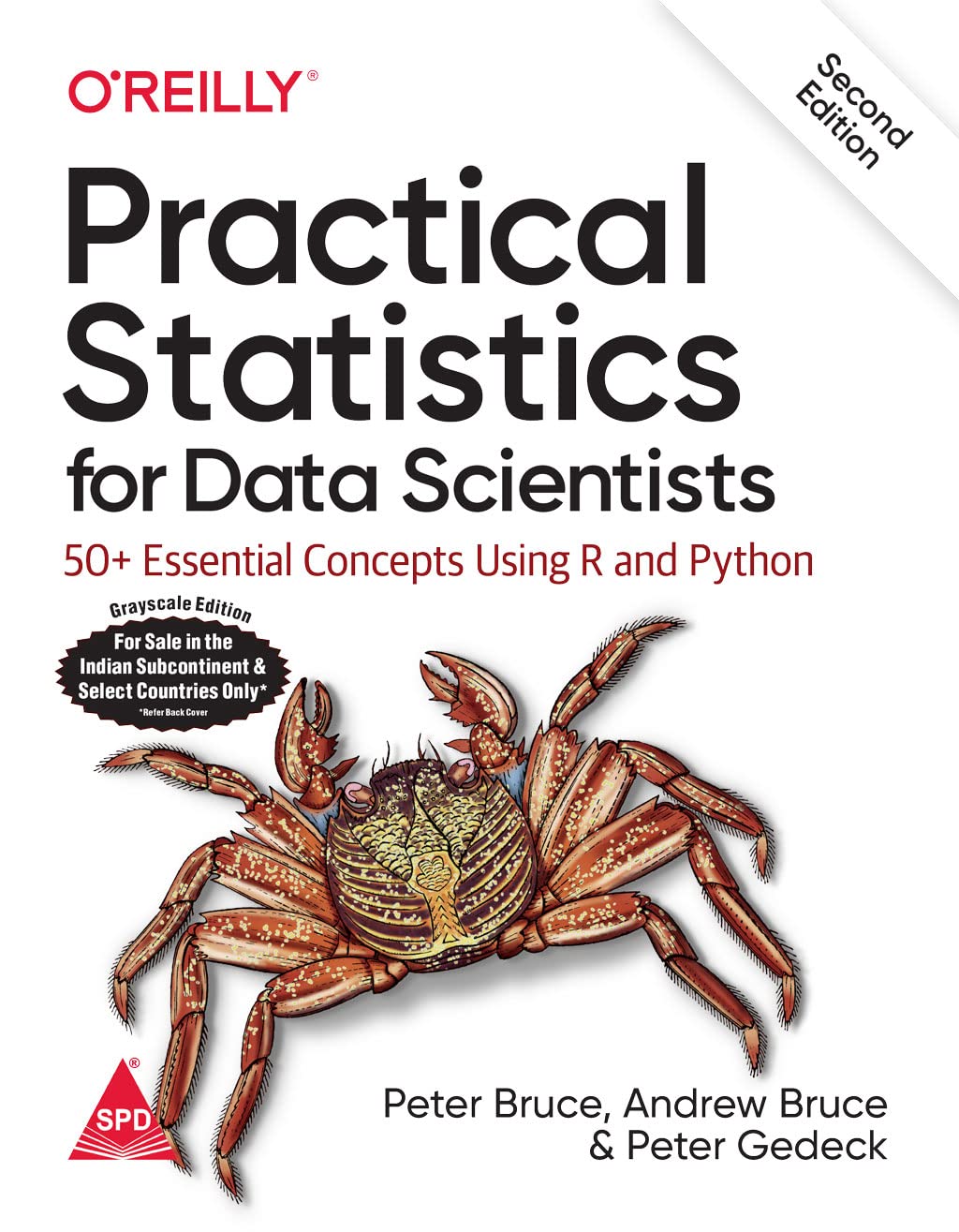
Practical Statistics for Data Scientists Explore Statistics 📊 |
| Work through data science concepts using practical examples and hands-on exercises. |
A Hands-On Introduction to Data Science Explore Projects 🚀 |
| Explore data science workflows using both Python and R. |
Intro to Data Science (R & Python) Explore R & Python 💻 |
| Understand how data science concepts can be applied to business problems and decisions. |
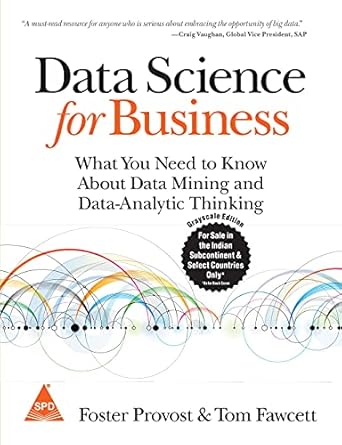
Data Science for Business Explore Business Analytics 📈 |
| Learn the fundamentals of machine learning with Python and scikit-learn. |
Intro to ML with Python Explore Machine Learning 🤖 |
| Learn how to clean, transform, and analyse datasets using Python, pandas, and NumPy. |
Python for Data Analysis Explore Data Analysis 📉 |
🌟 Featured Data Science Books
Data Science from Scratch
Explore Python, algorithms, and fundamental data science concepts from the ground up. A useful option for learners who want to understand how different techniques work.
Explore This Book 📘Essential Math for Data Science
Study linear algebra, probability, calculus, and statistics in a practical data science context. Useful for learners strengthening their mathematical foundation.
Explore the Book ➗Data Science for Business
Understand analytical thinking, data mining, predictive analytics, and how data science concepts can be connected with business problems.
Explore the Book 📊👥 Who Should Read These Books?
- Students & Beginners: Build a foundation in Python, statistics, data analysis, and core data science concepts before progressing to more advanced topics.
- Career Changers: Use structured books alongside courses and practical projects while exploring data-related career paths.
- Data Analysts & Developers: Expand your knowledge of Python-based analysis, machine learning, statistics, and data workflows.
- Business Professionals: Develop a better understanding of how data and analytics can support planning, forecasting, and business decisions.
- Machine Learning Learners: Strengthen the mathematical, programming, and analytical concepts that support machine learning studies.
- Indian Professionals & Students: Use these books as supplementary resources alongside relevant courses, certifications, academic programmes, and practical projects.
❓ Frequently Asked Questions
Do I need programming knowledge before learning data science?
Not necessarily. Several books in this collection introduce Python and data science concepts progressively. However, developing basic Python skills can make it easier to work through more technical material.
Which book should I choose as a beginner?
A Hands-On Introduction to Data Science provides a beginner-oriented introduction to the overall data science workflow, while Data Science from Scratch provides a more coding-focused approach. Choose according to your current experience and learning style.
Do I need strong mathematics for data science?
You can begin learning data science without advanced mathematics. As you progress into statistics and machine learning, concepts such as probability, linear algebra, and calculus become increasingly useful. Essential Math for Data Science can serve as a supplementary resource.
Which book focuses on machine learning?
Introduction to Machine Learning with Python focuses specifically on practical machine learning using Python and scikit-learn, making it suitable for learners who already have some Python familiarity.
Can these books help with data science career preparation?
They can help develop foundational knowledge in areas such as Python, statistics, data analysis, and machine learning. For career preparation, combine reading with practical projects, portfolio work, relevant courses, and an understanding of the skills currently requested in the roles you are targeting.
Are these books suitable for business professionals?
Yes. Data Science for Business focuses on analytical thinking and business applications of data science and can be useful for professionals who want to understand data-driven decision-making without focusing primarily on programming.
Are these books useful for students in India?
Yes. They can be used as supplementary learning resources alongside college coursework, online courses, certifications, and independent projects. Before choosing a book, check its edition and publication details if you need coverage of specific tools or technologies.
📌 Choosing the Right Data Science Book
Match the Book to Your Current Goal
- New to Data Science: Start with an introductory book that explains the overall workflow before moving into specialised topics.
- Learning Python for Data: Consider Data Science from Scratch or Python for Data Analysis, depending on whether you want more emphasis on fundamentals or practical data workflows.
- Strengthening Statistics: Explore Practical Statistics for Data Scientists and Essential Math for Data Science.
- Moving into Machine Learning: Introduction to Machine Learning with Python provides an applied introduction using Python and scikit-learn.
- Understanding Business Applications: Data Science for Business focuses on analytical thinking and business problems.
- Learning in India: Compare the topics covered in a book with the current syllabus, course curriculum, certification objectives, or job descriptions relevant to your goals.
Summary
Data science brings together programming, statistics, data analysis, machine learning, and business problem-solving. These books cover different parts of that learning journey, from Python and mathematical foundations to practical data analysis, machine learning, and business applications.
For learners in India, the collection can complement online courses, academic programmes, certifications, and hands-on projects. Since data tools and technologies continue to change, check the publication date and edition of a book when choosing resources for specific software or techniques.
Rather than trying to learn every data science topic at once, choose a book that matches your current level and focus on one skill area at a time. Combining structured reading with datasets, exercises, projects, and current learning resources can help turn concepts into practical knowledge.
📚 Continue Learning