

Best Python Books in India
Best Python Books in India
Disclosure: This page contains affiliate links. We may earn a commission if you purchase through them, at no extra cost to you. We only recommend products we believe are useful.
Summary
Python books can provide structured guidance for learning programming, practising coding concepts, and exploring areas such as automation, data analysis, machine learning, and software development. This collection includes titles for different experience levels, from beginners learning Python fundamentals to readers working on algorithms, interviews, and advanced Python techniques.
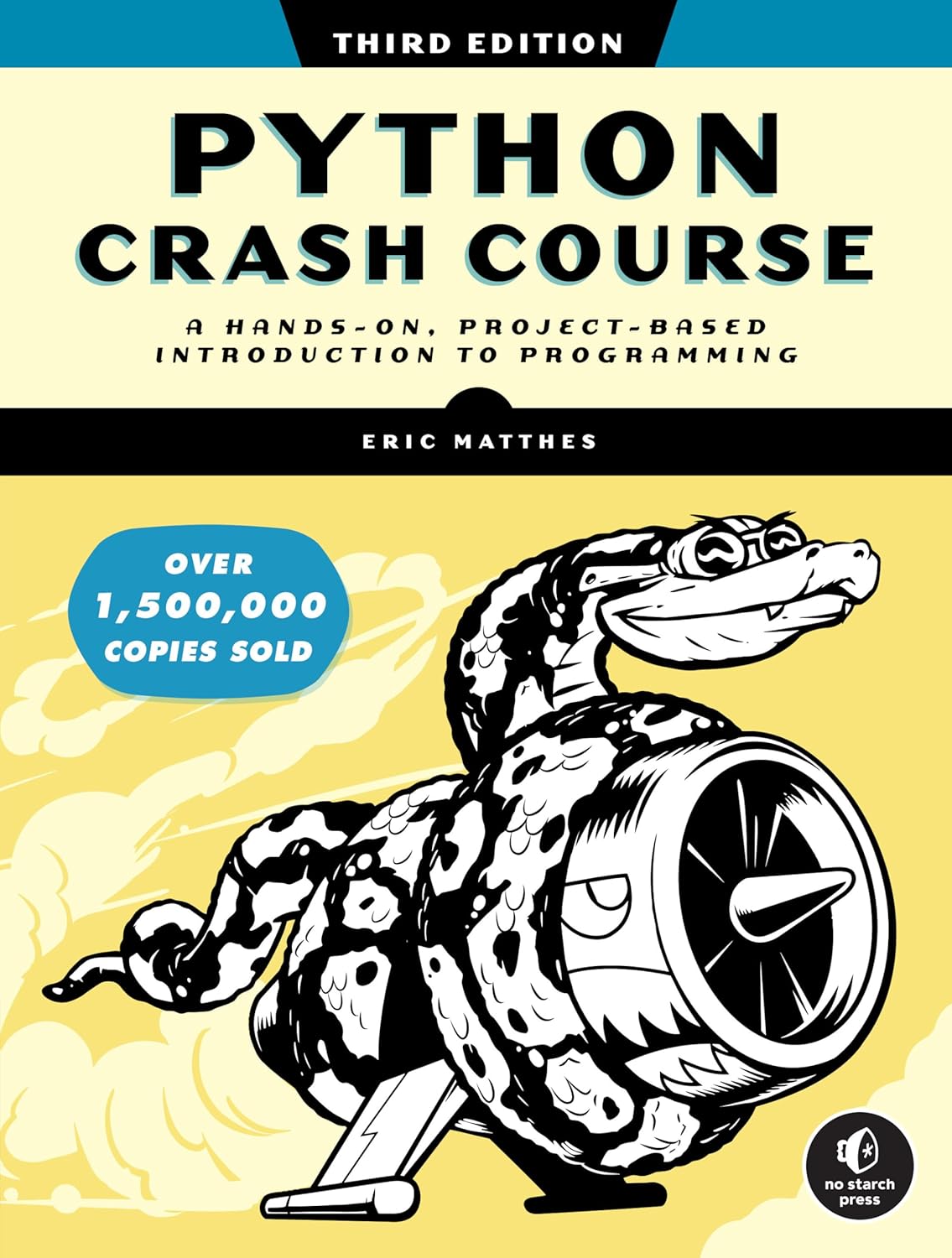
1. Python Crash Course (3rd Edition) – A project-based introduction to Python fundamentals.
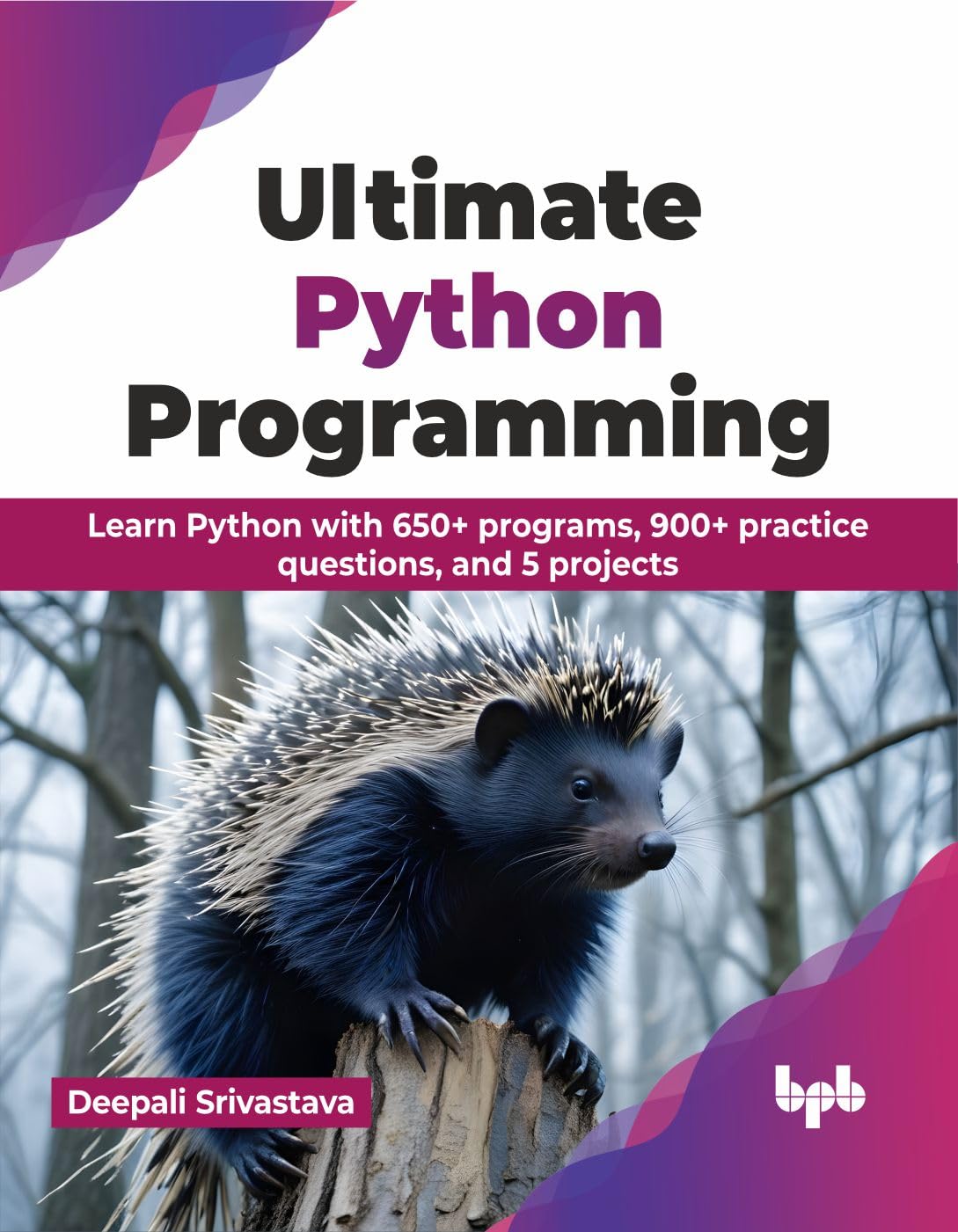
2. Ultimate Python Programming – Covers Python syntax, programming concepts, object-oriented programming, and examples.
3. Learn Python the Hard Way – Uses exercises and repetition to practise core programming skills.
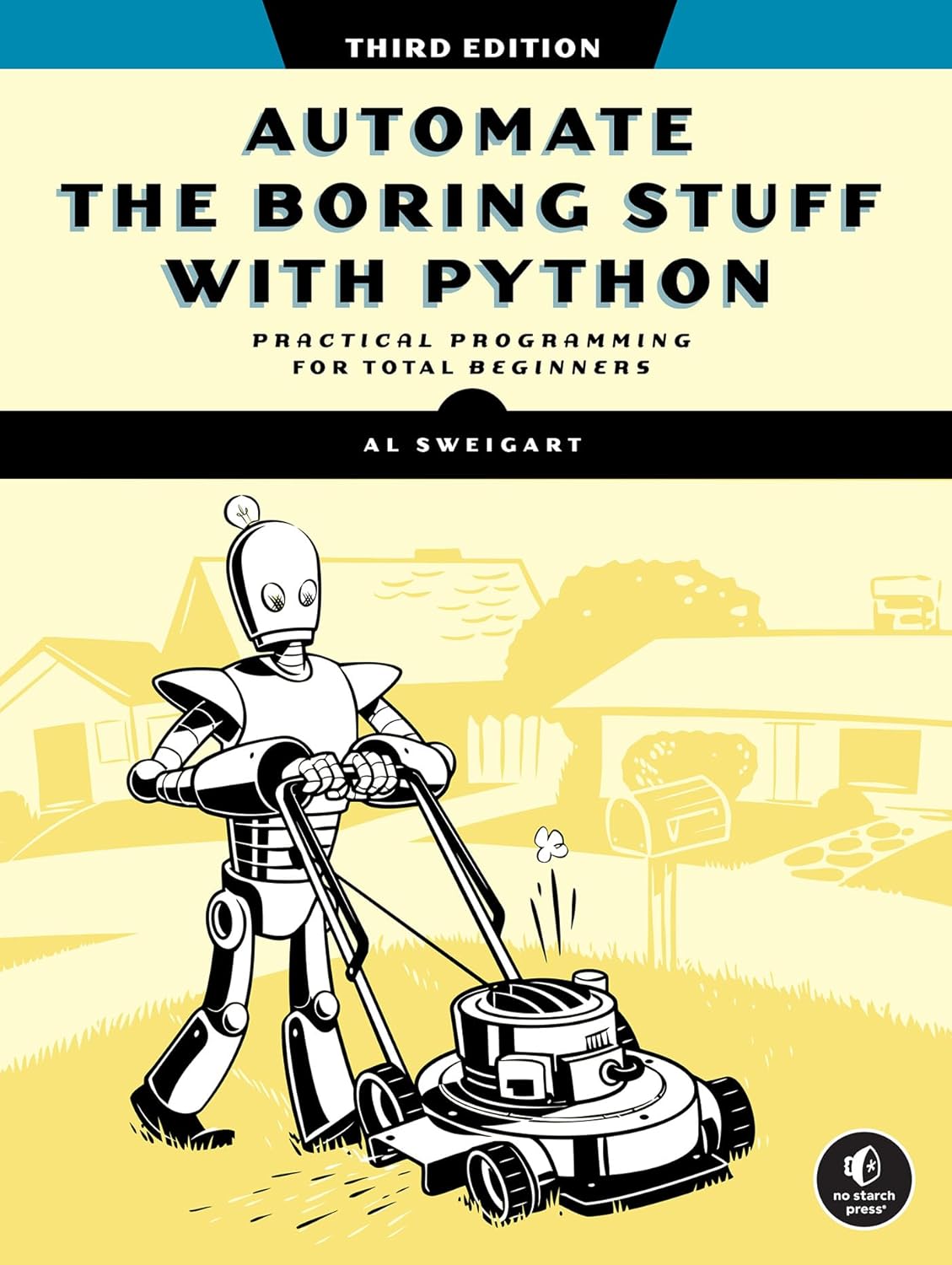
4. Automate the Boring Stuff with Python – Focuses on using Python to automate repetitive computer tasks.
5. Machine Learning Using Python – Introduces machine learning concepts and their implementation using Python.
6. Elements of Programming Interviews in Python – Covers programming problems and problem-solving practice relevant to technical interviews.
7. Python Programming: Introduction to Computer Science – Introduces programming and computer science concepts using Python.
8. Python Cookbook (3rd Edition) – Provides practical recipes and techniques for intermediate and advanced Python programming.
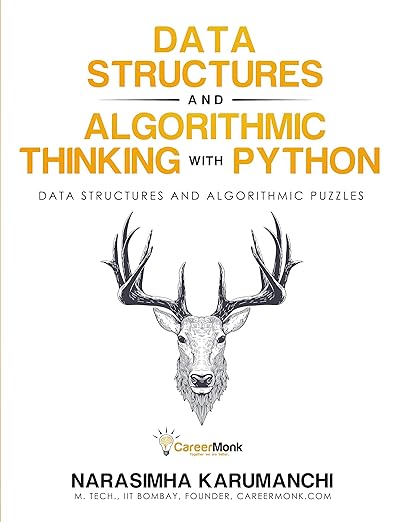
9. Data Structures & Algorithms Made Easy – Covers data structures and algorithms that can support programming and technical interview preparation.
📌 At a Glance
🎯 Suitable For
Beginners, students, developers, professionals, career changers, and learners building or strengthening Python programming skills.
📚 Topics Covered
Python fundamentals, programming concepts, automation, data structures, algorithms, machine learning, interview preparation, and practical coding.
💼 Learning Applications
These books can support learning for software development, automation, data analysis, AI and machine learning, academic study, and technical interview preparation.
⚠️ Things to Know
The books vary considerably in difficulty. Check the contents, edition, Python version, and your current experience level before choosing a title.
📖 What You'll Learn From Each Book
| Book | Main Learning Focus | Explore |
|---|---|---|
| Python Crash Course | Python fundamentals and project-based programming | 🐍 Explore Book |
| Ultimate Python Programming | Python syntax, programming concepts, and object-oriented programming | 💻 View Book |
| Learn Python the Hard Way | Programming practice through exercises and repetition | ✍️ Explore Book |
| Automate the Boring Stuff | Python automation and scripting for everyday tasks | ⚙️ View Book |
| Machine Learning Using Python | Machine learning concepts and Python-based implementation | 🤖 Explore Book |
| Elements of Programming Interviews | Programming problems and technical interview preparation | 🎯 View Book |
| Python Programming: Introduction to CS | Programming fundamentals and introductory computer science | 📖 Explore Book |
| Python Cookbook | Practical Python techniques for intermediate and advanced learners | 🚀 View Book |
| Data Structures & Algorithms | Data structures, algorithms, and problem-solving concepts | 🧩 Explore Book |
📚 Featured Books
Python Crash Course (3rd Edition)
Python Crash Course introduces Python through explanations, examples, and hands-on projects. It can be useful for beginners who want to develop a foundation in Python while practising what they learn.
- Learn Python fundamentals
- Practise concepts through projects
- Build a foundation for further Python learning
Automate the Boring Stuff with Python
Automate the Boring Stuff with Python focuses on practical uses of Python for repetitive computer tasks, including working with files, spreadsheets, and other everyday processes.
- Explore Python automation
- Practise with practical examples
- Apply programming to repetitive tasks
👥 Who Should Read These Books?
- Beginners learning Python programming from the fundamentals.
- Students studying programming, computer science, or related technical subjects.
- Developers who want to strengthen Python fundamentals or explore advanced techniques.
- Professionals interested in Python-based automation and scripting.
- Learners exploring Python for data analysis, machine learning, or AI.
- Job seekers preparing for programming interviews and technical assessments.
- Career changers building foundational programming knowledge before moving into more specialised areas.
❓ Frequently Asked Questions (FAQs)
-
Q1. Are these Python books suitable for beginners?
Some are designed for beginners, while others assume prior programming knowledge. Python Crash Course and Python Programming: Introduction to Computer Science can be considered when starting with programming fundamentals. Check the book description and contents before choosing.
-
Q2. Which book focuses on Python automation?
Automate the Boring Stuff with Python focuses specifically on using Python for repetitive computer tasks and practical automation. It can be useful for learners who want to see how programming can be applied to everyday workflows.
-
Q3. Are these books useful for programming interviews?
Some titles are specifically relevant to interview preparation. Elements of Programming Interviews in Python focuses on programming problems, while Data Structures & Algorithms Made Easy covers data structures and algorithms that are commonly studied as part of technical interview preparation.
-
Q4. Do I need prior coding experience?
Not for every book. Beginner-focused titles can be used without previous programming experience, while books such as Python Cookbook and specialised machine learning titles are generally more useful after you have learned the Python fundamentals.
-
Q5. Is Python still useful for AI and data science?
Python is widely used in areas such as data analysis, machine learning, artificial intelligence, automation, and software development. Python fundamentals can therefore provide a useful base before moving into specialised libraries, frameworks, and tools.
-
Q6. Should I learn Python from a book or an online course?
Both formats can complement each other. Books can provide detailed explanations and reference material, while courses often provide structured lessons, demonstrations, exercises, and projects. Your choice can depend on how you prefer to learn and practise.
-
Q7. Can professionals and career changers use these books?
Yes. Professionals and career changers can use Python books to build programming fundamentals, practise automation, explore data-related applications, or prepare for further study. For career preparation, it is also useful to combine reading with hands-on projects and practice.
📚 Summary
Python is used across areas such as software development, automation, data analysis, machine learning, artificial intelligence, and cybersecurity. A suitable book can provide structured explanations and exercises that help learners develop programming fundamentals and practise specific Python applications.
This collection covers different stages of Python learning, from introductory programming and hands-on projects to automation, machine learning, data structures, algorithms, and advanced Python techniques. When choosing a book, consider your current experience, learning objective, the Python version covered, and whether the material aligns with your course, certification, academic syllabus, or career learning goals.
📚 Continue Learning