

Tech Career Development Setup India
Tech Career Development Setup India
Disclosure: This page contains affiliate links. We may earn a commission if you purchase through them, at no extra cost to you. We only recommend products we believe are useful.
Building a practical tech career development workspace doesn't require an expensive office or a desk full of gadgets. Whether you're learning programming, developing software, working with data, studying cloud technologies, building technical projects, or preparing for a technology career, a well-organized workspace can make it easier to keep learning, practicing, and working consistently.
The right setup depends on your work. A developer may need more screen space, a data professional may need additional storage, while a student or career switcher may benefit more from a clear system for managing learning resources and projects. This guide looks at the workspace, equipment, reference materials, and organization tools that can support different stages of a technology career.
📌 At a Glance
💻 Support Technical Work
- Organize your workspace around coding and technical projects
- Keep frequently used tools and references accessible
- Reduce unnecessary workspace distractions
📊 Handle Multiple Resources
- Create additional screen space when your workflow requires it
- Keep documentation and research visible while working
- Move between development and reference material more easily
🧠 Keep Learning
- Develop programming and technical skills progressively
- Use books and documentation alongside practical exercises
- Build a consistent self-learning routine
🎯 Build Practical Experience
- Work on projects rather than relying only on tutorials
- Track learning goals and technical tasks
- Develop a portfolio as your skills grow
⚠️ Common Tech Career Workspace Challenges
Technology work often involves more than a single application or task. Depending on the role, you may move between code editors, documentation, browsers, terminals, databases, dashboards, datasets, project-management tools, and online learning resources.
- Working with code and documentation at the same time can become awkward on a small screen.
- Technical references, notes, examples, and documentation can become difficult to organize as your knowledge grows.
- Project files, datasets, development environments, and backups can require considerable storage.
- Long periods of computer-based work make workspace organization worth considering.
- Learning several technologies at once can make it difficult to maintain a clear study and project routine.
- It is easy to concentrate on learning new tools while overlooking programming, systems, or problem-solving fundamentals.
- Career development can become inconsistent when learning goals and project work are not organized.
- A workspace can gradually become cluttered with equipment that does not actually solve a recurring problem.
🧩 Match Your Workspace to the Problem
Instead of starting with a shopping list, consider the part of your workflow that creates the most friction. A workspace upgrade is more useful when it addresses a specific need.
| Common Need | Possible Approach | Example |
|---|---|---|
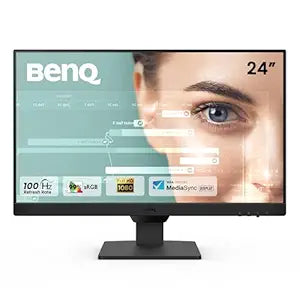
| Need more screen space | Consider a second monitor for documentation, terminals, browsers, dashboards, or reference material. | BenQ GW2490 24" FHD IPS Monitor |
| Frequent typing | A dedicated keyboard may be useful if programming and technical writing make up a large part of your day. | Portronics Hydra 10 Wireless Mechanical Keyboard |
| Navigation across technical applications | A suitable mouse can make everyday navigation more convenient. | Precision Mouse |
| Large project files | Additional storage can be useful for datasets, project files, development resources, and backups. | External SSD |
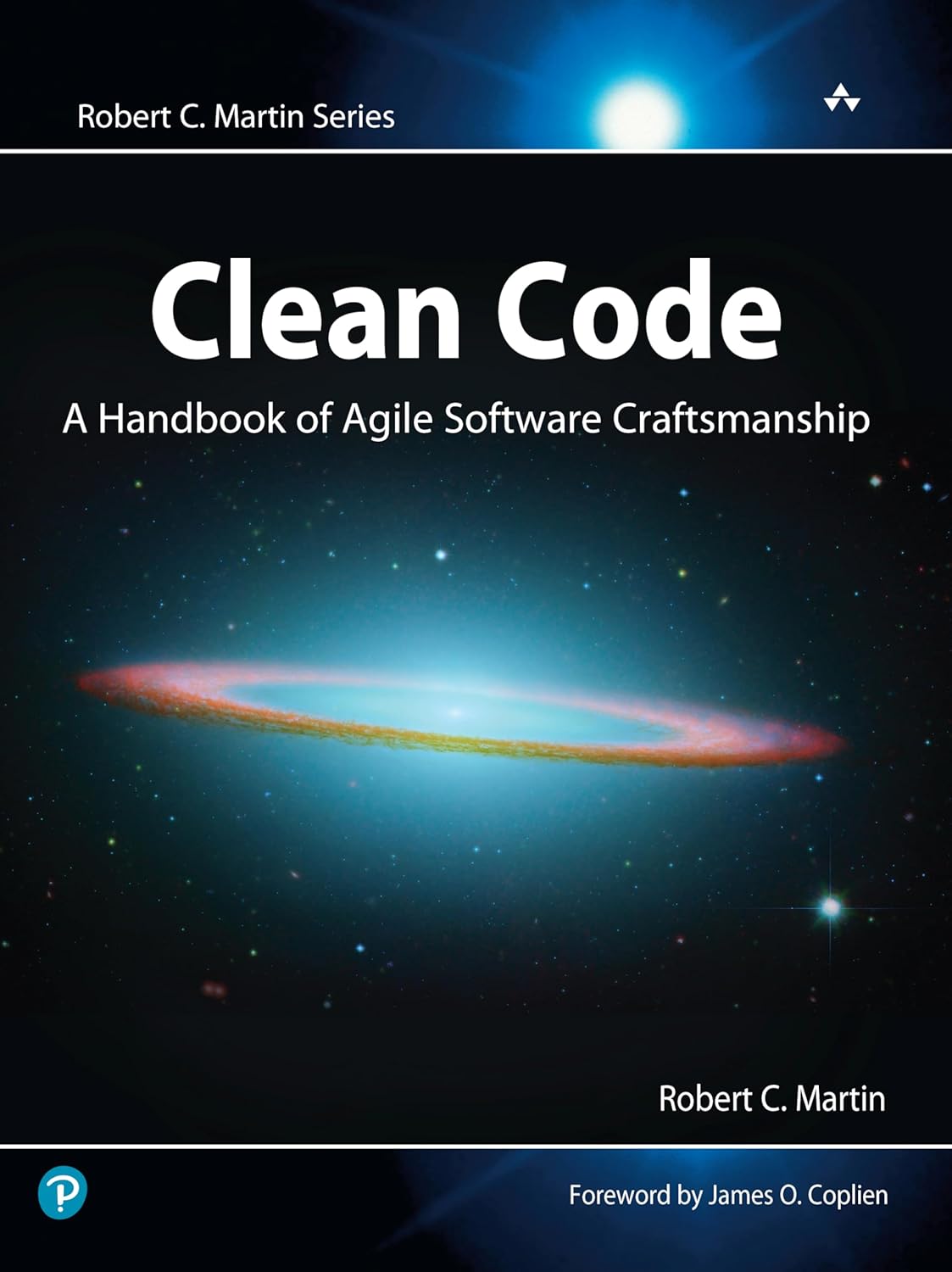
| Need deeper programming references | Technical books can complement documentation, courses, tutorials, and hands-on practice. | Clean Code |
| Learning data analysis | Use a practical reference alongside exercises and small data projects. | Python for Data Analysis |
| Understanding data systems | Study system-design and data concepts progressively as your technical experience develops. | Designing Data-Intensive Applications |
| Managing technical projects | Use a task-management system to organize projects, priorities, and learning activities. | Worklenz |
🛠️ Examples of Useful Tech Career Resources
The following products and resources are examples of tools that may fit different technology workflows. They are not requirements, and the right choice will depend on your computer, role, budget, and the type of work you do.
| Product / Resource | Potential Use | Explore |
|---|---|---|
| BenQ GW2490 24" FHD IPS Monitor | Additional screen space for coding, documentation, terminals, browsers, and technical research. | View Product |
| Portronics Hydra 10 Wireless Mechanical Keyboard | A dedicated keyboard for programming, technical writing, and everyday computer work. | View Product |
| Precision Mouse | Navigation across code editors, development environments, dashboards, spreadsheets, and research material. | View Product |
| External SSD | Additional storage for project files, datasets, development resources, and backups. | View Product |
| Clean Code — Robert C. Martin | A reference for thinking about readable, maintainable, and well-structured software. | View Book |
| Python for Data Analysis | A practical reference for Python-based data manipulation and analysis. | View Book |
| Designing Data-Intensive Applications | A deeper reference for understanding data systems and their underlying principles. | View Book |
| Worklenz | A project and task-management option for organizing technical work and learning activities. | Explore Tool |
🗺️ Building a Tech Career Workspace Progressively
Step 1
Start with the basics. Organize your computer, desk, files, software, and learning resources around the type of technical work you are currently doing.
Step 2
Identify recurring problems. Notice where your workflow slows down. It might be limited screen space, difficult file organization, repetitive navigation, or scattered learning tasks.
Step 3
Address one limitation at a time. Add equipment or software only when it solves a genuine and recurring workflow problem.
Step 4
Build practical projects. Apply what you learn through coding exercises, data projects, applications, automation, or other work relevant to your chosen technology path.
Step 5
Strengthen your foundations. Continue learning programming concepts, data structures, systems, databases, or other fundamentals that support your chosen career direction.
Step 6
Organize your projects. Keep project files, documentation, notes, tasks, and deadlines in a system that is easy for you to maintain.
Step 7
Build evidence of your skills. Turn suitable learning projects into portfolio work, GitHub repositories, case studies, or other forms of practical evidence.
Step 8
Review as your career develops. Your workspace should change with your work. A beginner's requirements may be very different from those of a developer, data professional, or technology consultant with several years of experience.
👥 Who Can Benefit From This Approach?
- Software Developers working on applications, code, testing, debugging, and documentation.
- Programming Students and Beginners learning programming languages and development fundamentals.
- Data Analysts working with datasets, Python, spreadsheets, dashboards, and analytical tools.
- Data Professionals developing knowledge of databases, analytics, data processing, and data systems.
- Career Switchers building technical skills and projects while moving toward technology roles.
- Freelance Developers managing independent development work and client projects.
- Technology Students balancing coursework, coding practice, projects, and career preparation.
- Self-Taught Developers creating their own structured learning and project routines.
- Technology Professionals who want a workspace that supports continuous learning and professional development.
📚 Learning Beyond Tools
A technology career is not built around equipment alone. Hardware can make certain workflows more convenient, but technical growth depends much more on learning, practice, problem-solving, and project experience.
Books can be useful when you want to move beyond short tutorials and understand broader principles. For example, Clean Code focuses on software quality and maintainability, while Python for Data Analysis provides a practical reference for working with data in Python.
For learners moving toward more advanced systems work, Designing Data-Intensive Applications can provide a deeper look at the principles behind modern data systems. These resources are best treated as references alongside practical work rather than replacements for hands-on learning.
💡 Practical Tech Career Workspace Tips
- Keep your primary workspace focused on the technical task you are currently working on.
- Use a second screen only when it genuinely helps with your workflow.
- Keep frequently used documentation and references easy to access.
- Maintain a clear folder structure for development projects, datasets, and learning material.
- Use external storage for additional capacity and backups, while maintaining a separate backup strategy for important files.
- Combine reading with exercises, experiments, and projects.
- Track learning goals separately from urgent work tasks so career development does not disappear during busy periods.
- Focus on a manageable set of technologies instead of trying to learn everything simultaneously.
- Review older projects occasionally and identify what could be improved.
- Build portfolio projects that demonstrate what you can actually do rather than simply listing technologies you have studied.
- Use a project-management system if you have several technical projects or learning goals to track.
- Before purchasing another gadget, ask whether it solves a problem you encounter regularly.
💰 Build Around Your Current Stage
| Career Stage | Focus | Workspace Approach |
|---|---|---|
| Starting Out | Learning fundamentals | Use your existing computer and create a simple, organized study environment. |
| Building Skills | Practice and small projects | Improve organization and add equipment only where your workflow requires it. |
| Developing Projects | More complex technical work | Consider additional screen space, storage, references, and project-management tools where useful. |
| Professional Development | Portfolio and career growth | Build a workspace that supports project work, continuous learning, documentation, and professional responsibilities. |
❓ Frequently Asked Questions
-
What should a basic tech career workspace include?
A basic setup can start with a reliable computer, suitable desk, comfortable workspace, keyboard, mouse, sufficient storage, and the software required for your field. Additional equipment can be added as your projects and learning requirements grow.
-
Is a second monitor necessary for programming?
No. It is an optional workspace upgrade. A second monitor can be useful when you regularly need to view code alongside documentation, terminals, browsers, dashboards, or other references, but it is not necessary for learning programming.
-
Why might an external SSD be useful?
An external SSD can provide additional storage for project files, datasets, development resources, backups, and other large files. Whether you need one depends on the storage available on your computer and the type of work you do.
-
Is a mechanical keyboard necessary for coding?
No. A mechanical keyboard is a personal preference rather than a requirement. It may be worth considering if you spend considerable time typing and prefer its particular feel or layout.
-
Why use technical books alongside online learning?
Online tutorials can be useful for learning specific skills, while books can provide broader explanations and deeper reference material. Combining different learning formats can help you approach a technical subject from more than one perspective.
-
Is Python for Data Analysis suitable for beginners?
It can be useful for learners who already have some Python familiarity and want to apply it to data analysis. Beginners may find it more useful when they combine the material with practical exercises and small projects.
-
Who might find Designing Data-Intensive Applications useful?
It is particularly relevant to developers and technology learners who want to understand the principles behind data-intensive systems. It is generally more suitable once you have some programming or systems experience.
-
Does better equipment make someone a better developer?
No. Equipment cannot replace programming knowledge, problem-solving ability, practice, or project experience. A suitable workspace can simply remove some practical obstacles and make it easier to concentrate on the work itself.
📝 Final Thoughts
A useful tech career development workspace should reflect the way you actually learn and work. You may need additional screen space for documentation, extra storage for projects, better organization for technical resources, or a simple system for tracking learning goals.
None of these additions are essential for everyone. The most useful approach is to start with your current requirements and improve the workspace gradually as your technical work becomes more demanding.
More importantly, keep the focus on learning, practice, projects, and evidence of your skills. A well-organized workspace can support those activities, but your career development ultimately comes from what you learn and what you build.
📚 Continue Learning
📦 Related Products
Share