

Best Student & Work Laptops 2026
Best Student & Work Laptops 2026
Disclosure: This page contains affiliate links. We may earn a commission if you purchase through them, at no extra cost to you. We only recommend products we believe are useful.
Choosing the right laptop for learning, work, creativity, or everyday productivity depends on more than just specifications. Processor performance, RAM, SSD storage, display quality, battery life, and portability all play a role in finding a laptop that fits your needs.
This guide brings together selected laptop options for students, professionals, creators, gamers, and power users, with different choices across budget and performance levels. Compare the key features and use cases to find a laptop that suits your everyday work and long-term needs.
⭐ At a Glance
🎯 Best For
- Students & learners
- Working professionals
- Creators & designers
- Gamers & power users
⚙️ Key Features
- Modern processors
- SSD storage
- 8GB–16GB RAM options
- Full HD displays
💼 Popular Uses
- Online learning
- Office productivity
- Creative work
- Gaming & heavy workloads
💰 Budget Choice
- Under ₹50,000
- Everyday learning
- Office productivity
- Light multitasking
🚀 Performance Choice
- Above ₹50,000
- Creative workflows
- Programming & AI tools
- Gaming & demanding tasks
🔎 What to Compare
- Processor & RAM
- SSD storage
- Display quality
- Battery & portability
Common Laptop Pain Points & Solutions
- Slow performance during multitasking or modern apps ➝ SSD storage, newer processors, and at least 8GB RAM ensure smoother workflows and compatibility with tools like Zoom, MS Office, Canva, and coding software.
- Heavy laptops make travel and commuting difficult ➝ Lightweight, slim designs improve portability and comfort.
- Poor battery life interrupts online classes, meetings, or creative work ➝ Efficient processors and optimized batteries provide longer usage time.
- Low-quality displays cause eye strain during long sessions ➝ Full HD IPS displays offer better brightness, clarity, and comfort.
Featured Laptop Picks by User Type
Students
Affordable laptops with smooth performance for online classes, assignments, research, MS Office, and everyday multitasking.
Lenovo IdeaPad Slim 3 Ryzen 5 • Acer Aspire Lite Ryzen 3
Professionals
Reliable laptops for office work, video meetings, spreadsheets, presentations, and daily productivity.
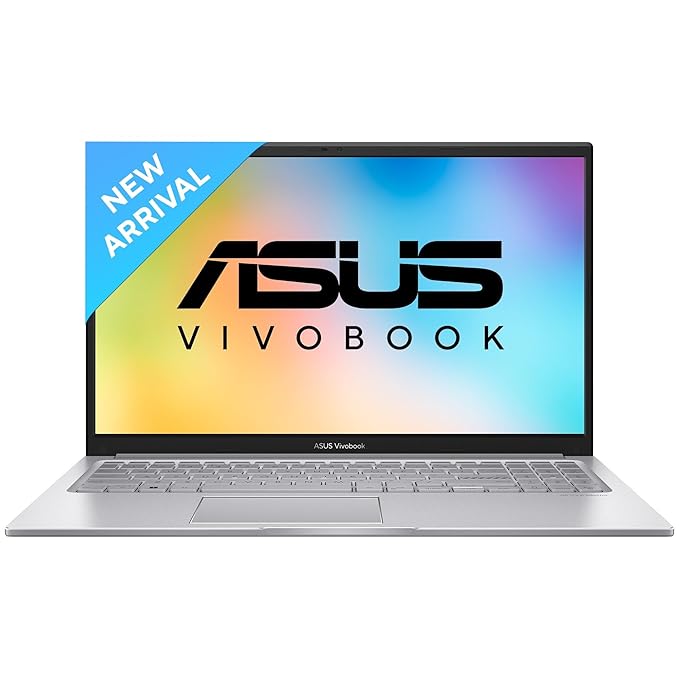
Dell Inspiron 3530 • ASUS Vivobook 16
Creators & Designers
Powerful hardware for photo editing, video production, graphic design, coding, AI tools, and creative workflows.
Lenovo LOQ 15 • Acer Nitro V 15
Power Users & Gamers
Built for demanding workloads, gaming, heavy multitasking, programming, AI applications, and future-ready performance.
MSI Thin 15 • Acer Nitro V 15
🛣️ Laptop Buying Roadmap
Choose the Right Laptop in 5 Simple Steps
Follow this roadmap to select a laptop that matches your budget, workload, and long-term needs without overspending.
Decide whether you're shopping for a budget laptop (under ₹50,000) or a higher-performance model.
Select a processor that matches your workload, such as Ryzen 5/Core i5 for everyday productivity or higher for demanding tasks.
Choose at least 8GB RAM and SSD storage for smooth multitasking, faster boot times, and better overall performance.
Look for a Full HD IPS display with suitable brightness and check the manufacturer's battery claims and independent reviews for a better idea of expected usage time.
If you edit videos, design graphics, run AI tools, or play modern games, choose a laptop with a dedicated GPU.
✅ Expected Outcome
By following this roadmap, you'll choose a laptop that delivers the right balance of performance, portability, and value based on your actual needs—not just the highest specifications.
💼 Popular Laptop Categories
🎓 Everyday Learning
Ideal for online classes, web browsing, assignments, video streaming, and Microsoft Office. A Ryzen 3/Core i3 or better with 8GB RAM and SSD is usually sufficient.
💼 Office Productivity
Designed for spreadsheets, presentations, video meetings, multitasking, and business applications. A Ryzen 5/Core i5 with 8–16GB RAM can provide a good balance for office productivity and multitasking
🎨 Creative Work
Suitable for graphic design, photo editing, programming, video editing, and AI tools. Look for faster processors, 16GB RAM, and dedicated graphics if required.
🎮 Gaming & Heavy Workloads
Built for modern games, 3D rendering, CAD, simulations, and demanding software. Choose laptops with dedicated GPUs, efficient cooling, and higher-end processors.
⚖️ Pros & Things to Consider
✅ Pros
- Budget and premium options for different needs.
- SSD storage delivers faster boot and loading times.
- Modern processors handle everyday multitasking smoothly.
- Lightweight and portable models available.
- Trusted brands with good after-sales support.
- Several models offer RAM and storage upgrades.
⚠️ Things to Consider
- Budget laptops aren't suitable for demanding gaming or 3D work.
- Battery life varies depending on usage and configuration.
- Entry-level displays may have limited brightness and color accuracy.
- Heavy workloads can generate more heat in slim laptops.
- Premium laptops cost more but offer higher performance.
- Some models include pre-installed software you may want to remove.
❓ Frequently Asked Questions (FAQs)
Are these laptops suitable for students?
Yes. Budget models are ideal for online classes, assignments, and daily learning, while premium models suit advanced coursework.
Can professionals use these laptops for office work?
Absolutely. They handle productivity tools, video calls, presentations, and multitasking efficiently.
Which category should I choose – below or above ₹50,000?
Below ₹50K is best for basic use and students. Above ₹50K is recommended for professionals, creators, and power users.
Can these laptops handle creative tasks?
Models with stronger processors, sufficient RAM, and suitable graphics can handle photo editing, design, and some video-editing workloads
Are these laptops suitable for gaming?
Only models with dedicated GPUs are suitable for gaming. Budget laptops are meant for casual or light gaming.
How much RAM should I choose?
8GB RAM can be suitable for basic study and office work, while 16GB is a better choice for heavier multitasking, creative applications, programming, and demanding workloads.
💡 Smart Laptop Buying Tips
- ✔ Choose a laptop based on your workload rather than the highest specifications.
- ✔ Look for at least 8GB RAM and SSD storage for smooth everyday performance.
- ✔ A Ryzen 5 or Intel Core i5 processor offers the best balance of performance and value for most users.
- ✔ Consider 16GB RAM if you edit videos, write code, run virtual machines, or multitask extensively.
- ✔ Choose a Full HD IPS display for better image quality and reduced eye strain during long sessions.
- ✔ Check whether the laptop allows future RAM or SSD upgrades to extend its lifespan.
- ✔ If you travel frequently, prioritize battery life, portability, and build quality.
- ✔ Compare warranty coverage, service network, and verified customer reviews before making your purchase.
🏁 Final Thoughts
Choosing the right laptop is an investment in your productivity, learning, and career growth. Instead of paying for features you'll never use, focus on a model that matches your everyday tasks and future requirements. The laptops featured in this guide offer reliable options across different budgets, making it easier to find a device that delivers the right balance of performance, portability, and value for money.
📚 Continue Learning
📦 Related Products
Share